Sheikh Dr. Ali Al-Hudhaify urges pilgrims to strengthen faith, avoid disputes, and uphold truthfulness
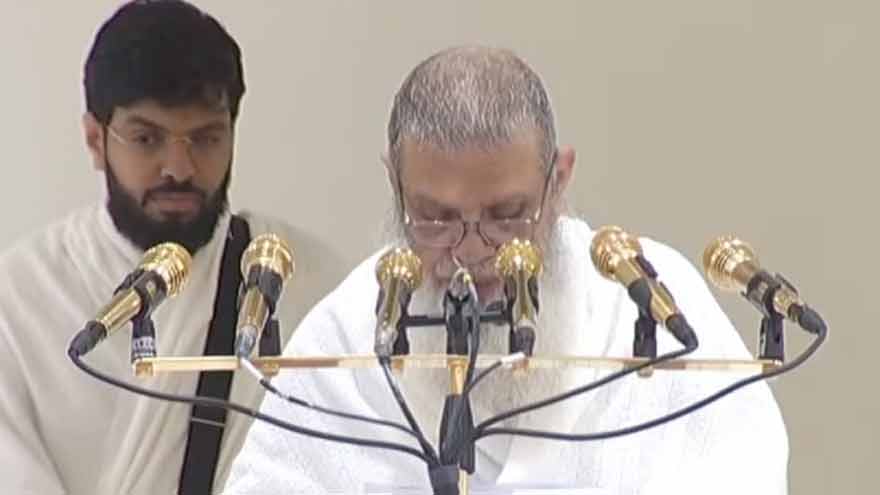
Imam and Khateeb of Al-Masjid an-Nabawi, Sheikh Dr. Ali Al-Hudhaify, delivered the Hajj sermon, calling on Muslims to adopt piety (Taqwa), strengthen unity, and deepen their relationship with Allah through patience, truthfulness, and consistent worship.
Addressing millions of pilgrims gathered for Hajj, he said that Taqwa is the defining quality of believers and urged Muslims to fear Allah, fulfill their promises, and remain steadfast in righteousness.
Core Message: Monotheism and Devotion to Allah Alone
Sheikh Dr. Ali Al-Hudhaify emphasized that no partners should be associated with Allah and that worship must be directed solely to Him.
He said that true faith is rooted in monotheism (Tawheed), and that believers’ hearts are softened when the verses of the قرآن are recited and reflected upon.
Patience and Gratitude in All Circumstances
The Imam highlighted the importance of patience during hardship, reminding Muslims that Allah has promised great reward for those who remain steadfast.
He also urged gratitude for divine blessings and warned that past nations lost blessings due to oppression and ingratitude.
Call for Unity and Ethical Conduct
Sheikh Dr. Ali Al-Hudhaify strongly advised pilgrims to avoid disputes, arguments, and actions that could harm Muslim unity during Hajj.
He stressed speaking the truth, avoiding falsehood, refraining from backbiting, and staying away from religious innovations.
He said maintaining unity among believers is essential for spiritual success and collective strength.
Focus on Worship and Remembrance During Hajj
The sermon reminded pilgrims to remain engaged in remembrance of Allah, seek forgiveness continuously, and perform prayers regularly with sincerity.
He also guided pilgrims on completing Hajj rituals properly, including their movement to Mina after staying in Arafat.
Closing Prayer for the Ummah
At the conclusion of the sermon, Sheikh Dr. Ali Al-Hudhaify prayed for the forgiveness of sins, acceptance of good deeds, and improvement in the condition of the global Muslim Ummah.