Already grappling with the fallout from Middle East tensions, much of Asia is now bracing for a potentially strong El Niño event that could intensify heatwaves, disrupt energy supplies, and damage agricultural output.
According to the World Meteorological Organization, El Niño conditions could emerge between May and July, with early indicators pointing to a particularly strong episode. While some observers have labeled it a “super El Niño,” scientists caution against using the term formally.
El Niño, a naturally occurring climate pattern, alters global wind, rainfall, and temperature systems. In Southeast Asia, it often shifts rainfall away from countries like Indonesia, increasing the risk of droughts and wildfires.
Climate experts warn that the situation could mirror the devastating 1997–98 El Niño, one of the strongest on record. That event triggered severe drought and massive forest fires in Indonesia, causing widespread environmental and economic damage.
The looming climate threat comes at a time when the region is already facing an energy crunch, partly due to disruptions in the Strait of Hormuz, a vital route for global oil and gas shipments. Ongoing geopolitical tensions involving Iran, the United States, and Israel have strained fuel supplies, raising concerns over energy security.
Higher temperatures are expected to drive up electricity demand as households and businesses increase cooling usage, putting further pressure on already stretched power grids. Countries heavily reliant on imported fuel through Hormuz may face rationing and slower economic growth.
Hydropower-dependent nations are particularly vulnerable. Regions such as the Mekong basin, Nepal, and parts of Malaysia could see reduced electricity generation due to declining water levels.
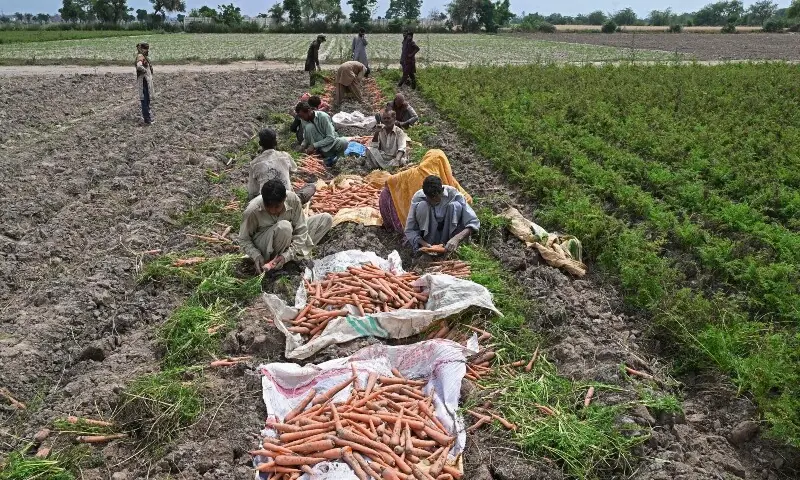
The risks extend to agriculture as well. Prolonged drought conditions could reduce crop yields and increase food prices, especially in import-dependent economies. Analysts warn that rising input costs, including fertiliser and fuel, may further squeeze farmers’ margins and worsen food insecurity.
At the same time, some areas could experience intense rainfall and flooding, adding another layer of risk to agricultural production and infrastructure.
Experts emphasize the need for governments to strengthen resilience by diversifying energy sources and investing in renewable technologies such as solar and wind power, which can better withstand extreme weather disruptions.
With climate change expected to amplify extreme weather patterns, the potential arrival of a strong El Niño underscores the urgency for Asia to prepare for simultaneous environmental and economic challenges.