Business Reporter

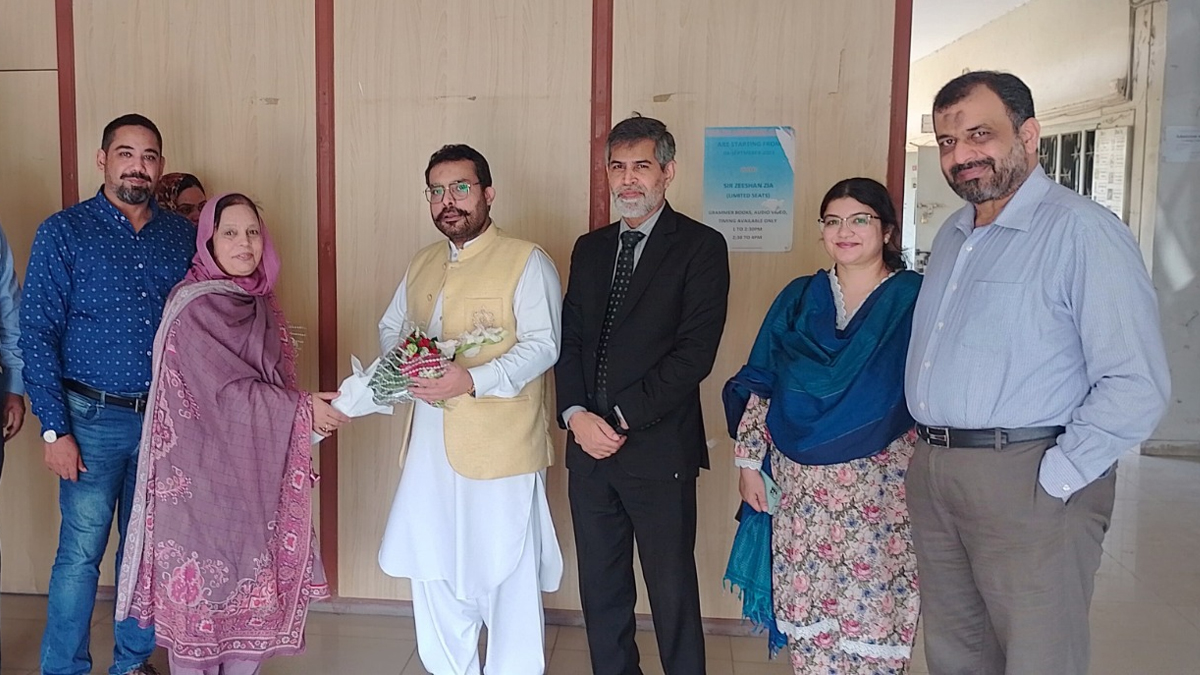
Karachi: The Council of Palm Oil Producing Countries (CPOPC) has concluded a high-level mission to Karachi, reaffirming Pakistan’s position as a strategic Asian market for palm oil and underscoring Asia’s expanding influence over global edible oil demand, trade flows, and food security.
During the visit, the CPOPC delegation held meetings with government officials, industry leaders, and diplomatic stakeholders to review market dynamics, supply-chain resilience, and global edible oil trends. Discussions focused on Pakistan’s role as one of the world’s leading palm oil importers and its growing impact on regional trade and price stability.
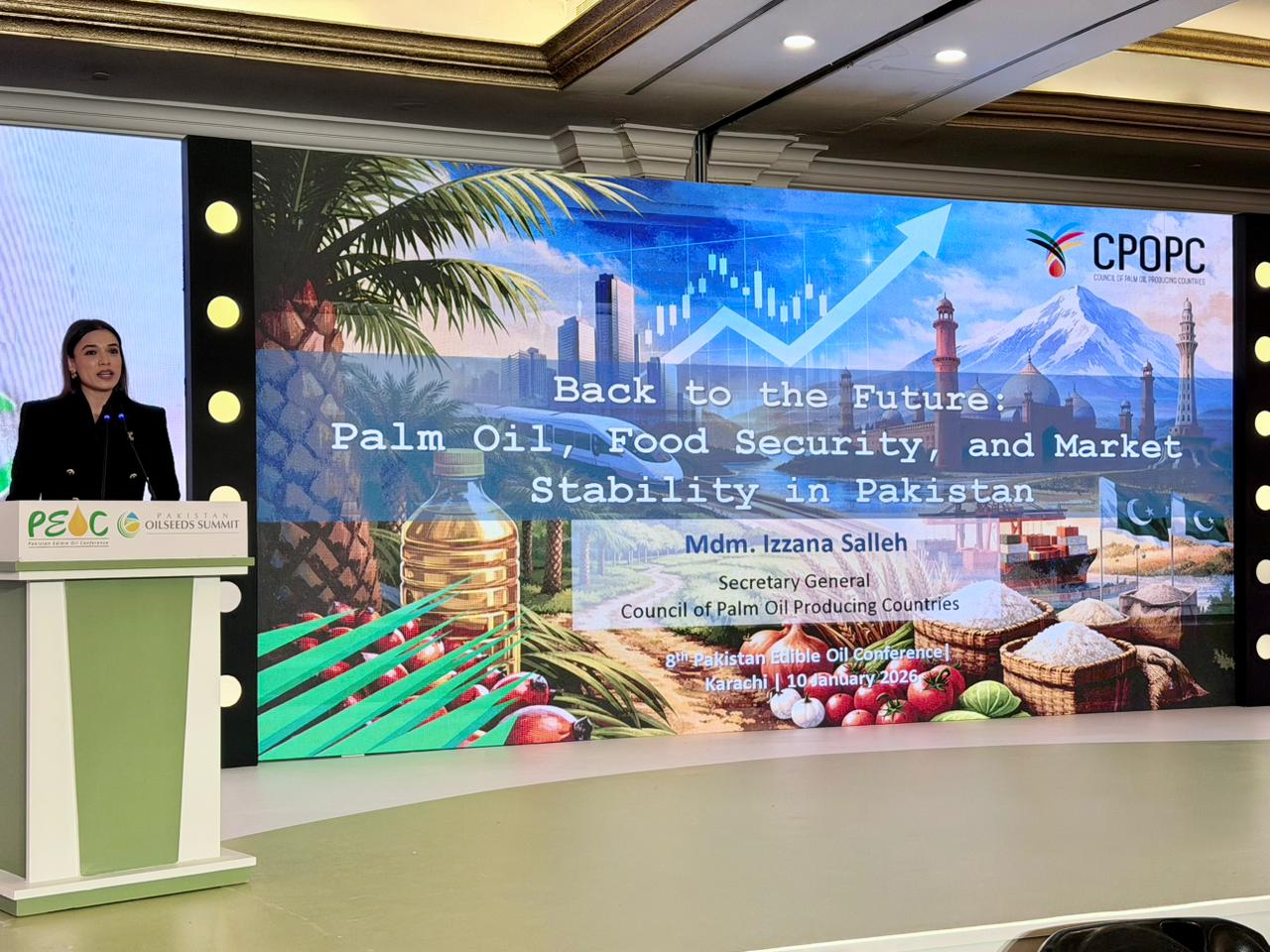
A central feature of the mission was an address by CPOPC Secretary General Madam Izzana Salleh at the 8th Pakistan Edible Oils Conference (PEOC 2026). She described Pakistan as a “strategic partner” in the global palm oil ecosystem, noting that the country consumes about 4.3 per cent of global palm oil supply and imports nearly 3.3 million tonnes annually.
Citing global import data, she said Asia now dominates international palm oil markets, with India accounting for around 18 per cent of global imports, China 11 per cent, and Pakistan about nine per cent — together representing close to 40 per cent of worldwide demand, surpassing traditional markets including the European Union.
Madam Salleh highlighted palm oil’s central role in Pakistan’s food system, supplying more than half of the country’s edible oil requirements and accounting for an estimated 70 to 75 per cent of total consumption, particularly in cooking oil and ghee. She noted that palm oil’s affordability makes it critical for household food security and for small and medium enterprises, which form a backbone of Pakistan’s economy.
Addressing sustainability, she called for a transition “from compliance to contribution,” urging inclusive approaches that support food security, supply reliability, and smallholder livelihoods, while recognising national sustainability frameworks. She noted that certified sustainable palm oil already exceeds 20 per cent of global supply, but cautioned against measures that could create new trade barriers.
The CPOPC secretary general also pointed to Pakistan’s more than five-decade partnership with palm oil–producing countries as an example of balancing sustainability goals with affordability and market stability through long-term cooperation and transparency.
The Karachi mission concluded with both sides reaffirming the importance of continued engagement to strengthen edible oil supply chains, promote responsible production, and ensure food security across Asia.