PCB Introduces New Central Contracts System with Five-Track Player Model
The PCB contracts system has undergone a major overhaul as the Pakistan Cricket Board introduced a new format-based structure for players. The change aims to reward performance, improve transparency, and strengthen player development across all formats of cricket.
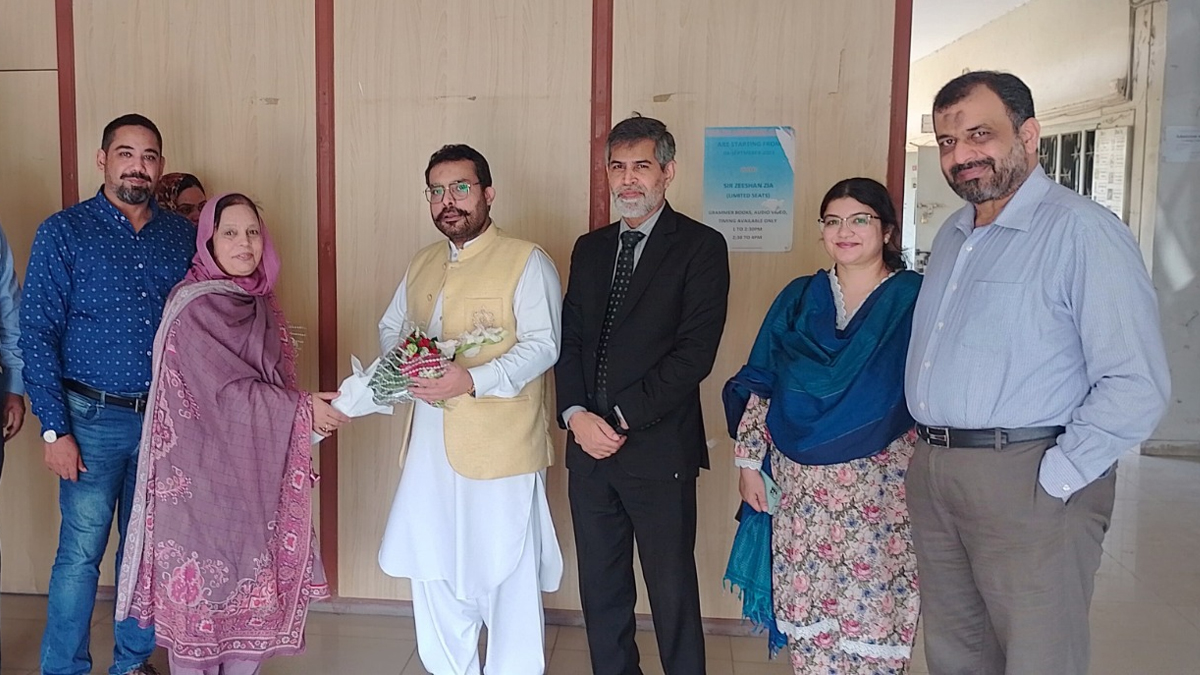
Moreover, the announcement was made by PCB Chairman Mohsin Naqvi during a press conference attended by key officials, including white-ball head coach Mike Hesson and Director of High Performance Aqib Javed. The new model replaces the traditional A, B, C, and D categories with a structured five-track system.
PCB Contracts New Five-Track Model
The PCB contracts system now features a five-track classification designed to separate players based on their format specialization and performance pathway. The previous grading structure has been officially discontinued.
Furthermore, the new model is intended to ensure players are evaluated more fairly within their specific roles. This includes separate pathways for Test, ODI, and T20 specialists, along with development-focused categories.
PCB Contracts for Multi-Format Players
Under the PCB contracts framework, Track AB includes top multi-format players who regularly represent Pakistan in Tests and One-Day Internationals. These players may also participate in T20Is but are primarily valued for longer formats.
In addition, Track A has been created specifically for red-ball specialists. This category provides extra incentives and encourages participation in overseas first-class cricket to strengthen Test performance.
PCB Contracts White-Ball and T20 Structure
The PCB contracts system also introduces Track BC for white-ball players who feature in ODIs and T20Is. This category recognizes key limited-overs contributors within the national setup.
Meanwhile, Track C is reserved for T20 specialists and franchise cricketers. This allows players greater flexibility to participate in domestic and international leagues while maintaining national commitments.
Moreover, this structure aims to balance national duties with franchise opportunities in modern cricket.
PCB Contracts Development Pathway
The PCB contracts reform includes Track D, which focuses on emerging players from the National Cricket Academy and domestic circuit. This category is designed to support young talent and provide a clear pathway into international cricket.
Furthermore, officials stated that this model is intended to create a merit-based system driven largely by performance data. Around 85% of evaluation criteria will be data-based, while 15% will remain under selection committee discretion.
PCB Contracts Transparency and Selection Policy
The PCB contracts update also emphasizes transparency in player selection and contract allocation. Chairman Mohsin Naqvi stated that the new system reduces ambiguity and ensures fair recognition of domestic performances.
Additionally, medical fitness will remain a mandatory requirement for all contracted players. The board believes this approach will strengthen accountability and reduce past concerns regarding selection inconsistencies.
In conclusion, the PCB’s new structure represents a significant shift in how players are evaluated, with a stronger focus on specialization, performance data, and long-term development.