APP, Staff Reporter
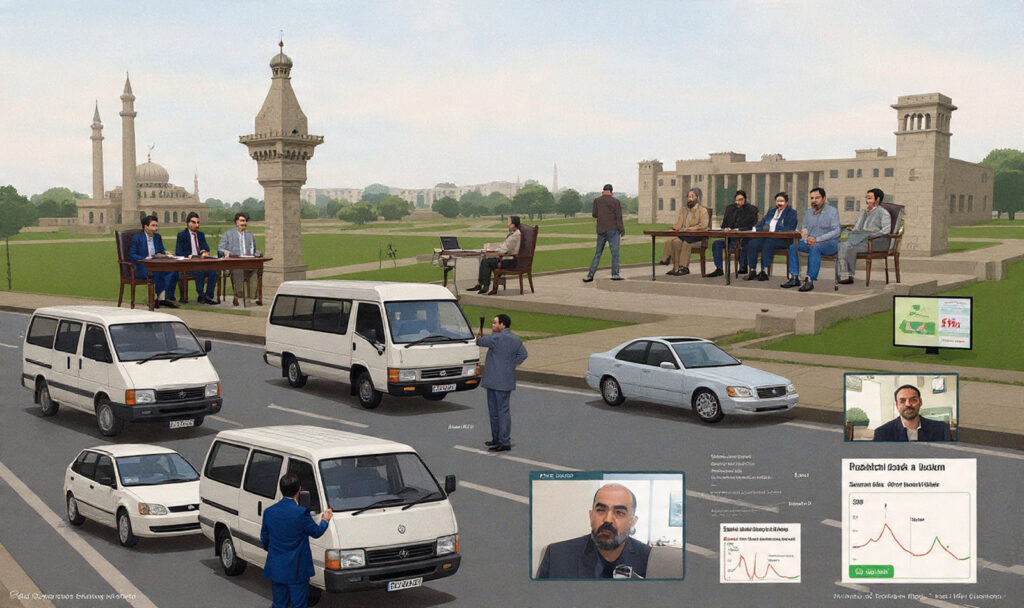
Islamabad, Karachi: Pakistan Launches Nationwide Austerity and Fuel Conservation Drive Amid Rising Oil Prices. Federal and Sindh Governments Implement Sweeping Measures to Reduce Expenditure, Cut Fuel Consumption, and Support Public Relief.
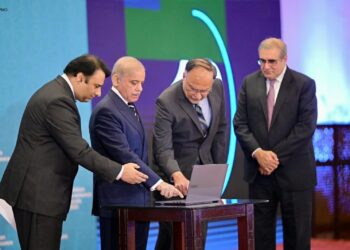
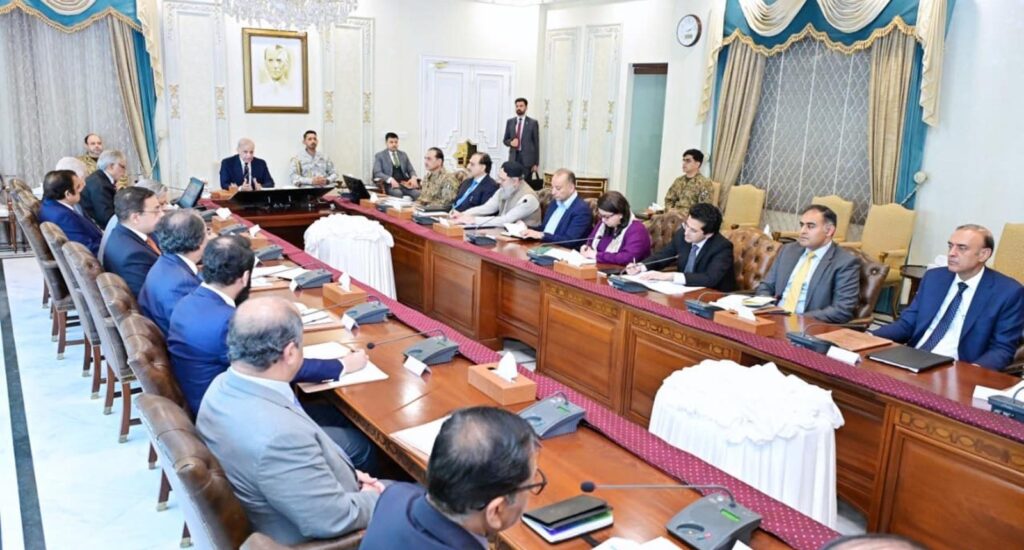
Prime Minister Muhammad Shehbaz Sharif unveiled a comprehensive energy-saving and austerity plan aimed at reducing government expenditure and curbing fuel consumption across public and private sectors. The measures come in response to rising global oil prices and aim to mitigate economic pressures on the general public.
Speaking in a televised address, the Prime Minister outlined specific steps, including a 50 percent reduction in fuel allocations for official vehicles over the next two months, excluding ambulances and public buses. Additionally, 60 percent of government vehicles will be grounded to conserve fuel.
In a show of solidarity, ministers, advisers, and special assistants will forego their salaries for two months, while parliamentary members will take a 25 percent pay cut. Officers in grades 20 and above with salaries exceeding Rs300,000 per month will also contribute two days’ salary toward public relief.
Other austerity measures include:
- 20 percent reduction in non-salary government expenditures.
- Ban on furniture, air conditioner purchases, and foreign trips for government officials unless essential.
- Prioritization of teleconferencing and online meetings to reduce travel and fuel costs.
- Government offices to adopt 50 percent work-from-home arrangements and a four-day workweek, excluding essential services, industry, and agriculture.
- Schools granted a two-week spring vacation with online classes launched for higher education institutions.
The Prime Minister emphasized that these initiatives would improve fiscal discipline, reduce energy demand, and ensure economic stability amid uncertain global fuel markets.
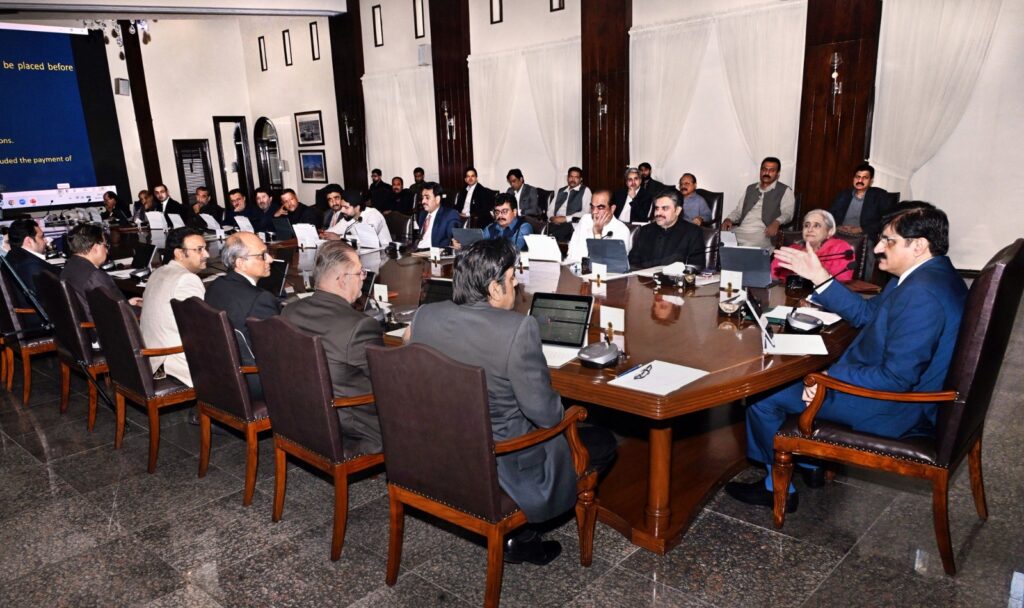
The Sindh Cabinet, chaired by Chief Minister Syed Murad Ali Shah, approved a comprehensive austerity and fuel conservation plan alongside governance, economic, social protection, and education reforms to strengthen public service delivery.
Addressing the media, Information Minister Sharjeel Inam Memon highlighted the 23-point agenda, which includes measures to conserve energy, cut government expenditure, and enhance institutional efficiency.
Key provincial decisions include:
- Fuel Conservation: 50 percent reduction in fuel allocations for official vehicles for two months, with operational vehicles like ambulances and buses exempt. Departments instructed to promote carpooling.
- Salary Reductions: Ministers, advisers, and special assistants to waive salaries for three months; a 25 percent voluntary reduction for provincial legislators; BS-20 and above officers earning over Rs300,000 encouraged to contribute two days’ salary, excluding health and education sectors.
- Operational Cuts: 20 percent reduction in non-essential departmental expenses, expected to save over Rs12 billion. Ban on new vehicle and durable purchases until June 2026; IT procurement subject to review.
- Work-from-Home and Shorter Workweek: 50 percent staff to work from home on alternate days; four-day workweek for public and private sector offices, excluding essential services, banking, industry, and agriculture.
- Education Adjustments: Schools to observe two-week spring holidays, universities to switch to fully online classes.
- Public Measures: Reduced speed limits on highways and motorways; wedding and public gatherings capped at 200 attendees; one-dish rule enforced to save fuel.
- Fuel Monitoring: Strengthened oversight of petroleum products to prevent hoarding, in coordination with the Oil and Gas Regulatory Authority and the Ministry of Energy (Petroleum Division)
- Chief Minister Murad Ali Shah stressed that the austerity measures aim to ensure fiscal discipline, conserve energy resources, and stabilize the provincial economy amid global and regional energy uncertainties.
Outlook:
Both federal and Sindh provincial governments have adopted aggressive austerity and fuel conservation strategies targeting government operations, private sector engagement, and public services. Analysts suggest these steps will temporarily alleviate pressure on the national budget and fuel supply, though the success will depend on strict implementation, public cooperation, and monitoring across the country.