The event concluded with a renewed call to work
towards progress and prosperity, inspired
by the vision of the Quaid-e-Azam
Staff Reporter

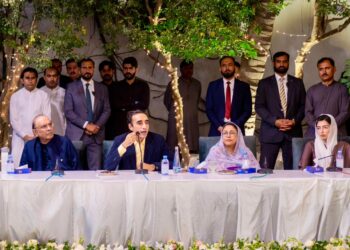
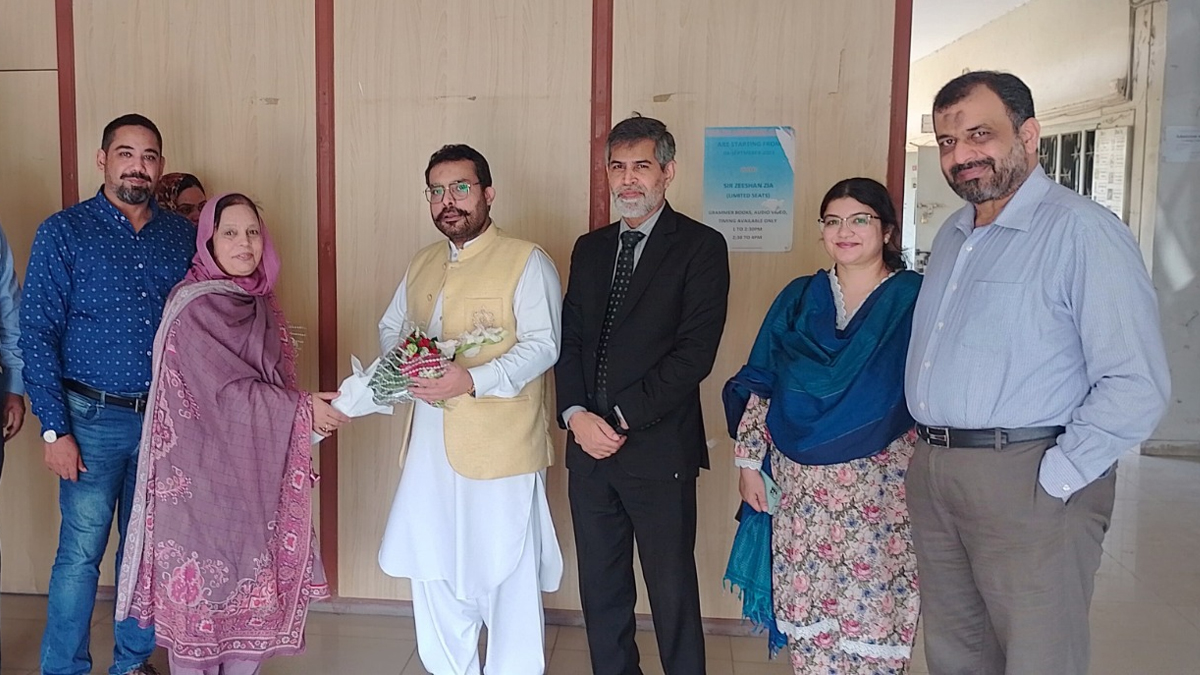
Karachi: The Quaid-e-Azam House Museum hosted an event titled “Pakistan in 1947 and Pakistan Today”, organized by its Board of Management under the Sindh Government’s notification dated April 6, 2020.
Key Speakers Highlight Jinnah’s Vision
The event featured a welcome address by Mr. Liaquat Merchant, Senior Vice Chairman of the Board. Prominent speakers included Mrs. Ameena Saiyid, Professor Muhammad Ali Sheikh, Vice Chancellor of Sindh Madressatul Islam University, and Mr. Merchant himself.
The designated Ambassador to France, also the spokesperson for the Ministry of Foreign Affairs, was initially scheduled to speak. However, she was called back to Islamabad for an urgent development, leaving her unable to participate.
Emphasis on Nation-Building and Jinnah’s Vision
Mr. Liaquat Merchant highlighted the significance of events at Quaid-e-Azam House Museum in promoting nation-building and educating the younger generation about Pakistan’s founding ideals. Reflecting on Jinnah’s legacy, Mr. Merchant said, “Pakistan was a moral and intellectual achievement. Jinnah envisioned a democratic constitution embodying Islamic principles, ensuring equal rights for all citizens, including non-Muslims.”
He emphasized that Pakistan was founded through peaceful means—speech, writing, and voting—rather than violence. Mr. Merchant urged the younger generation to study Jinnah’s ideals, recommending the book “Quotes from the Quaid”, described by Professor Stanley Wolpert as essential reading for all Pakistanis.

Jinnah’s Focus on Education and Minority Rights
Mr. Merchant noted Jinnah’s emphasis on education, including the establishment of the Dawn Trust to promote educated public opinion among Muslims in pre-partition India. He also highlighted Jinnah’s commitment to protecting minority rights and ensuring equality for all citizens.
Honoring Jinnah’s Legacy in Modern Pakistan
The speakers acknowledged efforts by federal and provincial leaders to uphold Jinnah’s principles of diversity and inclusivity. Recent initiatives to engage with Christian and Hindu communities in Pakistan were highlighted as examples of honoring his vision of equality and mutual respect.
Pakistan’s Challenges and Hope for Progress
Addressing Pakistan’s present, Mr. Merchant reflected on its history of crises, including martial laws, constitutional suspensions, and political instability. Despite these challenges, he expressed hope that Pakistan is on a path to becoming a peaceful state, united by Jinnah’s principles of “Unity, Faith, and Discipline.”
The event concluded with a renewed call to work towards progress and prosperity, inspired by the vision of the Quaid-e-Azam.