Monitoring Desk
Tel Aviv, Washington, Tehran: In a major escalation of Middle East hostilities, the United States and Israel jointly launched a series of unprecedented military strikes against Iran on 28 February 2026, marking one of the most significant offensive campaigns in decades. The operation targeted senior leadership figures, military infrastructure and command centres across the country, aiming to neutralise Tehran’s strategic capabilities and decapitate its command hierarchy. Reportedly code-named Operation Lion’s Roar by Israeli authorities, the campaign involved air strikes by the Israel Defense Forces and U.S. military assets, including cruise missiles, fighter jets and drone systems.
Supreme Leader and Top Commanders
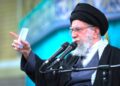
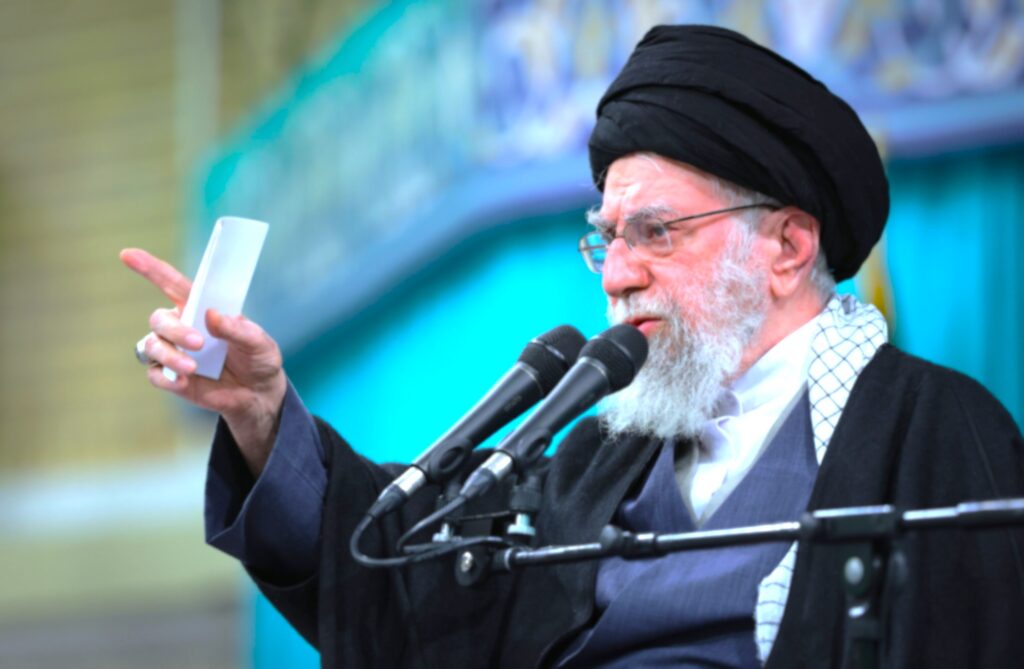
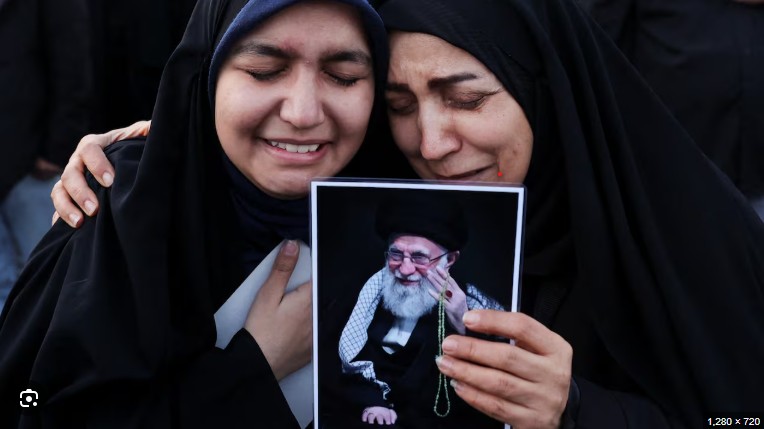
Iran’s Supreme Leader Ayatollah Ali Khamenei was confirmed killed after a coordinated strike near Tehran, according to official state media and Western reporting. The strike also hit several senior Iranian military and security officials.
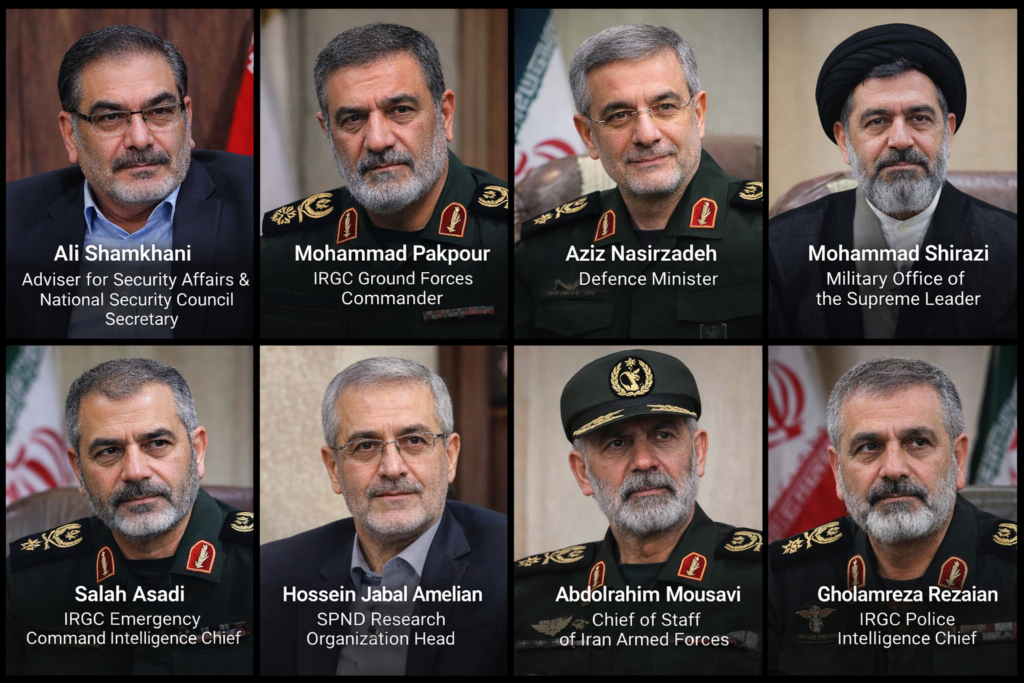
Other reportedly killed leaders include:
• Ali Shamkhani, adviser for security affairs and National Security Council Secretary
• Mohammad Pakpour, commander of the Islamic Revolutionary Guard Corps (IRGC) Ground Forces
• Aziz Nasirzadeh, Defence Minister
• Mohammad Shirazi, head of the Supreme Leader’s military office
• Salah Asadi, head of IRGC emergency command intelligence
• Hossein Jabal Amelian, head of Iran’s SPND research organisation
• Abdolrahim Mousavi, Chief of Staff of Iran Armed Forces
• Gholamreza Rezaian, head of IRGC police intelligence
• Family members of Khamenei were also reported killed in the initial strike.
The targeting was enabled by prolonged intelligence gathering by Mossad and the Central Intelligence Agency, including advanced surveillance and human assets inside Iran. The operation reportedly unfolded within minutes, reflecting deep coordination between U.S. and Israeli forces.
Damage and Civilian Toll
Casualty figures vary by source, but state-linked reporting indicates more than 550 Iranians killed, including at least 150 civilians, and more than 747 injured across multiple provinces. A missile strike on a girls’ elementary school in Minab reportedly killed as many as 180 people, mostly schoolchildren, according to Iranian state media, though independent verification is ongoing. Multiple Iranian cities — including Isfahan, Shiraz, Kermanshah, Mashhad and Rezvanshahr — were struck, with attacks targeting air defence installations, missile arrays and command facilities. Reports also indicate significant damage to portions of Iran’s national broadcasting authority building. U.S. authorities reported three service members killed and at least five seriously injured, along with the loss of one F-15E fighter aircraft and one MQ-9 drone, while Israeli casualties and damage were described as minimal relative to Iranian losses.
Regional Impacts
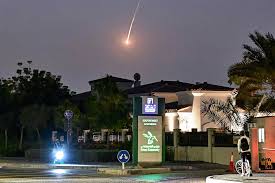
Iran’s retaliation, involving ballistic missiles and drones, triggered alerts and interceptions across the Gulf. Countries hosting U.S. military bases — including Bahrain, Kuwait, United Arab Emirates and Qatar — reported attacks or missile interceptions, with civilian casualties recorded in several locations involving residential buildings and critical infrastructure.
Iranian Response
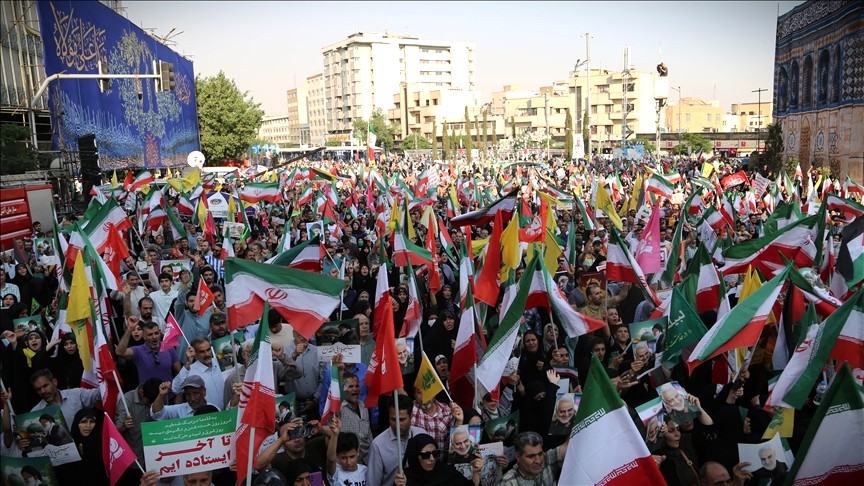
Following the strikes, the Islamic Revolutionary Guard Corps announced what it described as an extensive offensive against U.S. and Israeli targets. Tehran launched waves of ballistic missiles and drones aimed at Israeli cities and military facilities, U.S. bases across the Middle East and Gulf Arab host nations that host American forces. Iranian officials labelled the strikes a violation of the United Nations Charter and declared all U.S. and Israeli interests in the region legitimate military targets.
Regional Security Situation
The conflict rapidly expanded beyond Iran and Israel. A national state of emergency was declared across Israel, with reservists mobilised and schools and businesses closed. The Iran-aligned group Hezbollah initiated missile exchanges with Israeli forces, drawing fighting into northern Israel and southern Lebanon. Air travel across the Gulf was heavily disrupted as states closed airspace amid ongoing missile threats, while global energy and financial markets reacted sharply to rising regional risk.
International Reactions
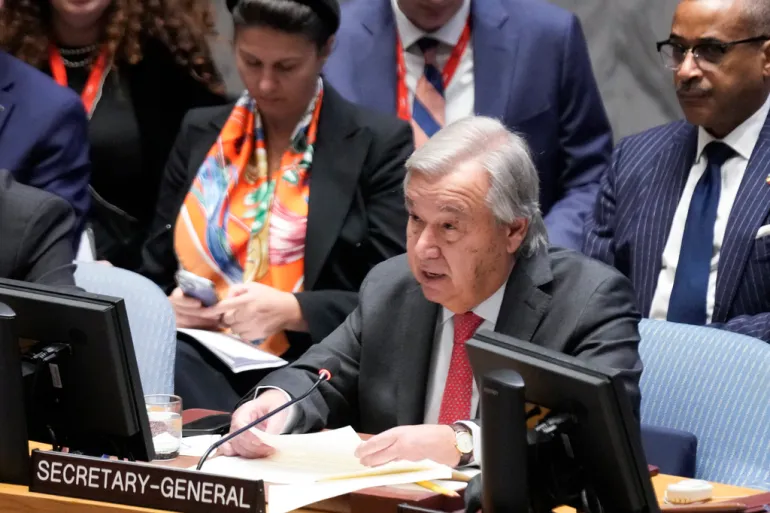
U.S. leadership characterised the offensive as essential to dismantling threats posed by Iran’s military and missile programmes, while Israeli officials framed the strikes as pre-emptive self-defence and urged Iranian citizens to oppose their government. The UN Secretary-General called for an immediate cessation of hostilities, warning that the conflict threatens international peace and civilian safety, and the European Union urged restraint and renewed diplomatic engagement. Regional responses varied: Gulf states condemned Iranian missile attacks on their territories and supported defensive measures, Saudi Arabia criticised Iran’s actions, Turkey called for de-escalation by all parties, and Russia accused U.S. policy of destabilising the region.
Current Status and Outlook
The conflict remains highly fluid, with continued air and missile operations reported on multiple fronts. Both sides retain significant operational capacity and appear prepared for further escalation. Diplomatic efforts are underway, but international mediators warn that the risk of broader regional confrontation remains elevated.