FCA has significantly enhanced customs
operations, reducing Goods Declaration
clearance time from 109 hours to 18 hours
Business Reporter

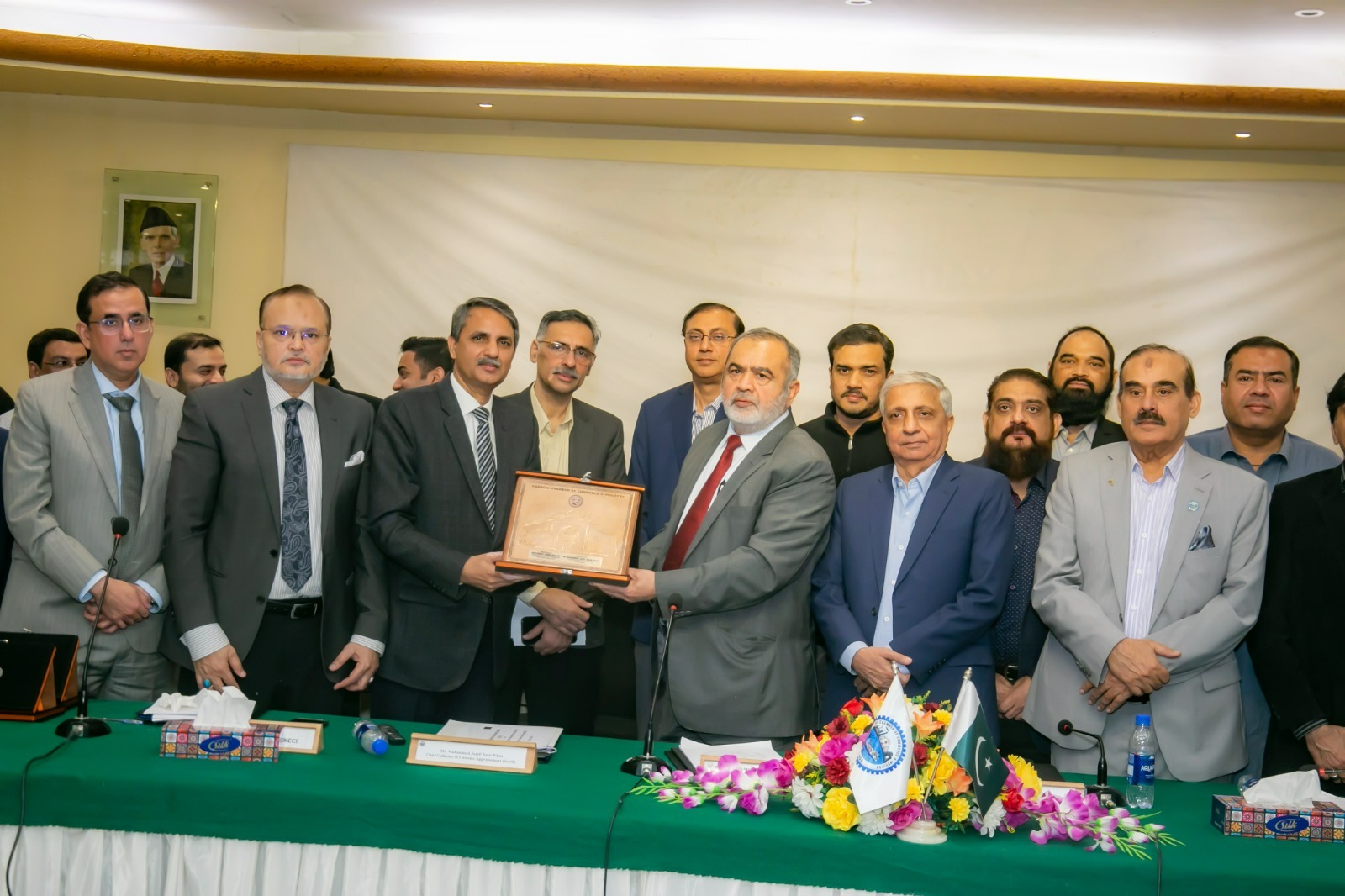
Karachi: The recently launched Faceless Customs Assessment (FCA) System has significantly enhanced customs operations, reducing Goods Declaration (GD) clearance time from 109 hours to an average of 18 hours. Chief Collector of Customs Appraisement (South), Muhammad Jamil Nasir Khan, highlighted these improvements during a presentation at the Karachi Chamber of Commerce & Industry (KCCI).
Efficiency Gains and Cost Reduction
Speaking to KCCI members, Chief Collector Jamil Nasir noted that the FCA system has streamlined processes, reducing demurrage charges and operational costs for importers. Since its mid-December launch, the system has maintained robust revenue collection, generating Rs. 86 billion within the first 15 days.
The new system eliminates the need for importers to visit public offices or engage in lengthy litigations, making the customs clearance process faster and more transparent. Jamil Nasir also shared that the FCA system has reduced red and yellow channel GDs by 31%, significantly increased green channel clearances, and cut document calling by 75%.
Future Enhancements and Transparency Measures
Plans are underway to establish a Centralized Examination Center in Karachi, featuring real-time monitoring with bodycams for examiners. Financial support for the project is being provided by the World Bank. The system will also expand with Customs Assessment Units (CAUs) in Lahore and Islamabad, integrated with Karachi’s operations, which handle 80% of Pakistan’s imports.
To ensure transparency and efficiency, the FCA system consolidates all 80 officials into a single controlled environment where GDs are processed sequentially. This prevents favoritism and reduces unnecessary delays, offering substantial benefits to industrial raw material importers.

KCCI Commends FCA System’s Impact
President KCCI Muhammad Jawed Bilwani applauded the FCA system for revolutionizing customs operations, emphasizing its positive impact on exporters. Faster clearance of imported raw materials, he said, directly accelerates production cycles and boosts exports.
Bilwani urged the Federal Board of Revenue (FBR) to maintain the system’s efficiency to improve Pakistan’s global port operations ranking. He suggested consolidating consignment clearances at ports via the faceless system, eliminating the need for dry ports, and addressing corruption and misdeclaration.
Calls for Refund System Reforms
Bilwani also highlighted delays in refund payments under the FASTER system, despite its initial success in ensuring timely disbursements. He proposed sector-specific accounts for refunds to reduce delays and alleviate exporters’ financial burdens.
Conclusion
The Faceless Customs Assessment System is already delivering significant benefits by improving transparency, efficiency, and cost savings for importers and exporters alike. With continued enhancements and support from the business community, it promises to play a pivotal role in boosting Pakistan’s economic growth.