
The Government of Pakistan is trying to manage
number game for its constitutional package
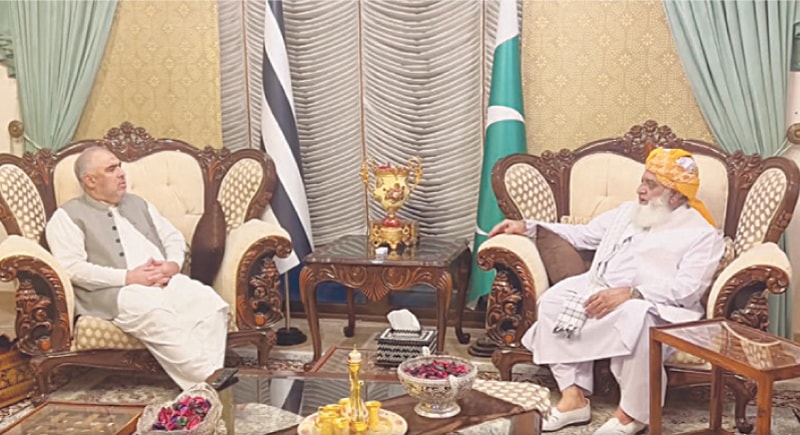
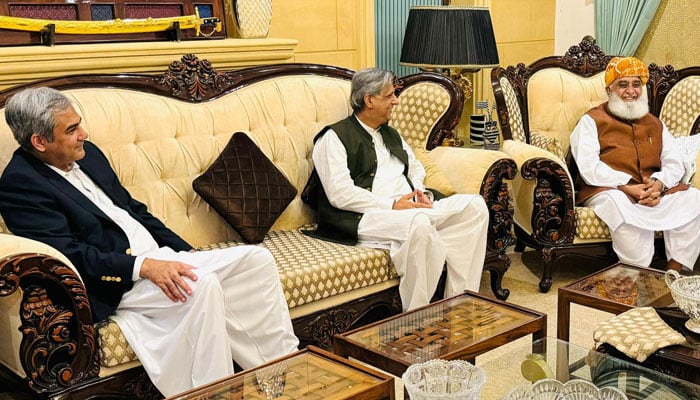
Maulana Fazal Rehman became the king maker
News Desk

Islamabad: The Government of Pakistan is trying to manage number game for its constitutional package. Maulana Fazal Rehman became the king maker at the moment. Amendments aims to implement significant reforms within the judiciary and electoral system. The details of the package have been partially disclosed, sparking a heated debate between the ruling coalition and opposition parties.
Key Components of the Package
- Amendment to Article 63-A
- The proposed amendment to Article 63-A addresses party defection during constitutional amendments. It stipulates that votes of members who face disqualification references from their party leadership will be counted.
- Chief Election Commissioner’s Tenure
- The package proposes that the incumbent Chief Election Commissioner (CEC) will remain in office until a successor is appointed, aiming to prevent disruptions similar to previous instances when the ECP was dysfunctional.
- Establishment of Constitutional Courts
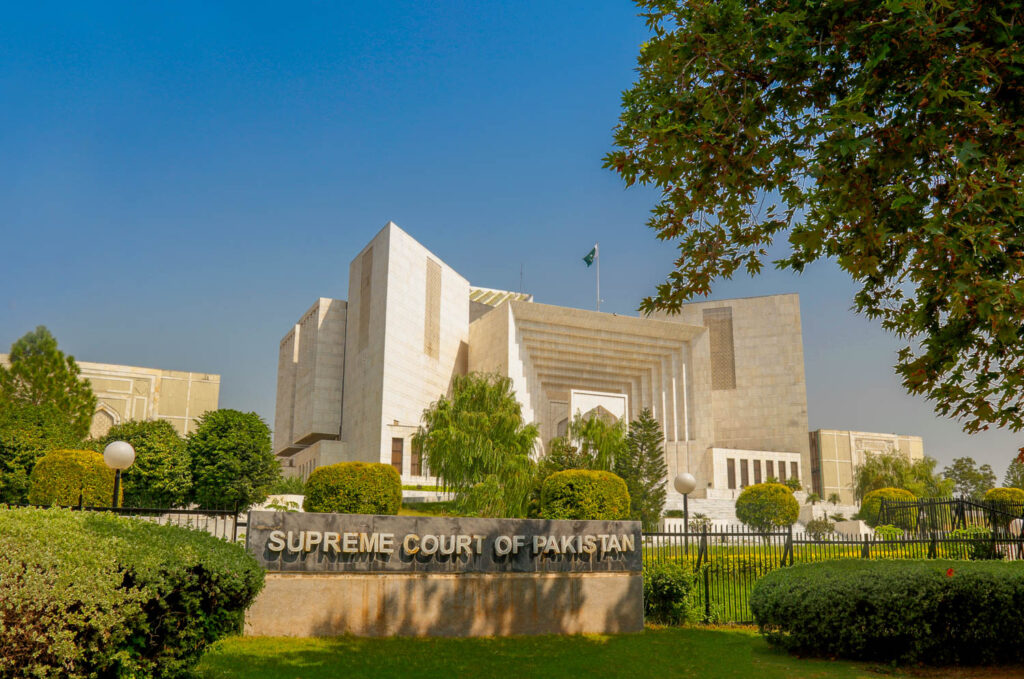
- The introduction of constitutional courts to handle constitutional petitions is a major component of the package. This move is intended to alleviate the backlog of approximately 60,000 pending cases in the Supreme Court, with a significant portion being constitutional petitions.
- Retirement Age of Judges
- There is a controversial proposal to extend the retirement age of superior court judges. Although the government has indicated a willingness to withdraw this proposal, it remains a contentious issue.
- Fixed Tenure for Chief Justice of Pakistan (CJP)
- The package suggests fixing the tenure of the Chief Justice of Pakistan (CJP) at three years to standardize judicial appointments and transitions.
Opposition’s Response
The opposition has expressed significant concerns about the package:
- Lack of Transparency
- Opposition leader Syed Shibli Faraz criticized the government for not fully disclosing the details of the constitutional package, alleging that the secrecy surrounding the proposal undermines democratic principles.
- Criticism of Article 63-A Amendment
- The opposition argues that the amendment to Article 63-A is an attempt to overturn the Supreme Court’s previous interpretation, which deemed votes of defecting members invalid in disqualification matters.
- Retirement Age Controversy
- There is skepticism about the proposed extension of the judges’ retirement age, with concerns that it may be designed to benefit specific individuals.
- Process and Timing Issues
- The opposition questioned the timing of the parliamentary sessions discussing the package, suggesting that the official holiday scheduling was a tactic to expedite the process.
- Political Fallout
- The opposition also criticized the Pakistan Peoples Party (PPP) for participating in the process, warning of potential political repercussions for the party.
Parliamentary Dynamics
The ruling coalition holds a majority in both houses of Parliament, which may facilitate the passage of the package. However, the opposition’s concerns and the need for negotiations could impact the final outcome. The government is expected to engage in discussions with opposition parties to address their concerns and secure broader support.
Conclusion
The proposed constitutional package represents a significant reform effort aimed at improving governance and judicial efficiency in Pakistan. While the government seeks to advance these reforms, the opposition’s scrutiny and the parliamentary dynamics will play a crucial role in shaping the package’s final form and its implementation.