Substantial shift in monetary policy aimed
at stabilizing the economy amid
changing inflationary pressures
Sahir Baloch
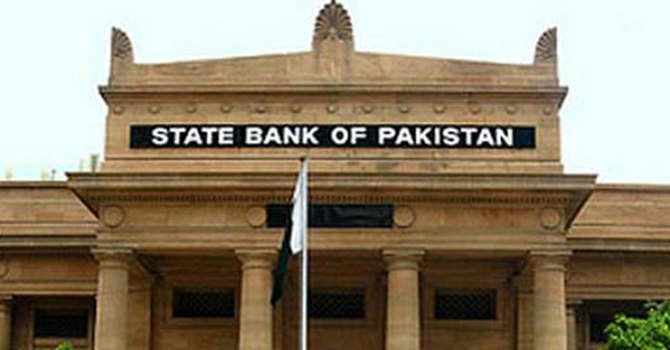
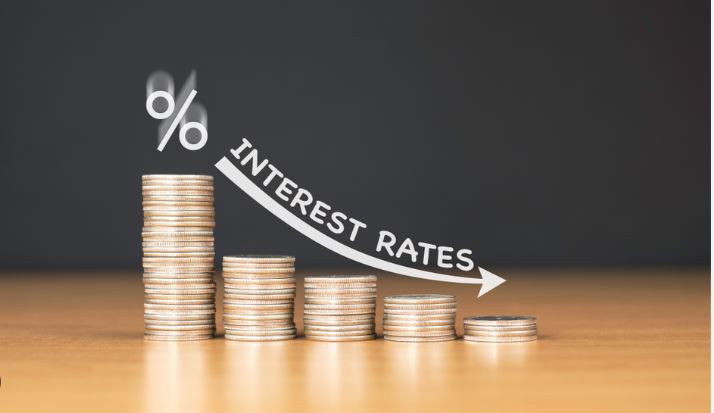
Karachi: The State Bank of Pakistan (SBP) announced a significant reduction in its policy rate, lowering it by 200 basis points to 17.5%. This decision, effective from September 13, 2024, comes in response to a notable decline in both headline and core inflation rates over the past two months.
Details of the Rate Cut
The decision by the SBP’s Monetary Policy Committee (MPC) marks a substantial shift in monetary policy aimed at stabilizing the economy amid changing inflationary pressures. The policy rate cut reflects the central bank’s response to falling global oil and food prices, along with a delay in expected increases in administered energy prices.
Inflation Trends
- Headline Inflation: The Consumer Price Index (CPI) inflation decreased to 9.6% year-on-year in August 2024, down from 12.6% in June 2024. This sharp decline in inflation is attributed to reduced global commodity prices and improved domestic food supply conditions.
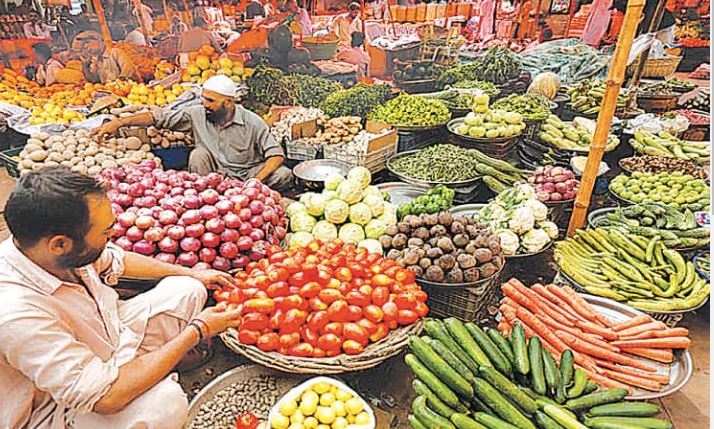
- Core Inflation: Core inflation, which excludes volatile items such as food and energy, fell to 11.9%. This reduction is indicative of improved supplies of food commodities and a decrease in domestic demand pressures.
The SBP’s decision to lower the discount rate is primarily driven by:
Factors Influencing the Decision
- Falling Global Commodity Prices: A reduction in global oil and food prices has alleviated some of the inflationary pressures previously experienced in Pakistan.
- Delayed Energy Price Adjustments: The anticipated increase in administered energy prices has been postponed, contributing to the lower inflation rates.
Risks and Cautions
Despite the positive inflation trends, the SBP highlighted several risks that could impact future monetary policy decisions:
- Global Economic Volatility: Uncertainties in the global economy could affect commodity prices and overall economic stability.
- Domestic Energy Adjustments: Potential adjustments in domestic energy tariffs could reverse some of the recent gains in controlling inflation.
The MPC has advised a cautious approach to future monetary policies, emphasizing the need to monitor these risk factors closely.
Foreign Exchange Reserves
As of September 6, 2024, the SBP’s foreign exchange reserves stood at $9.5 billion. This level of reserves reflects the challenges faced by the country due to weak inflows and ongoing debt repayments. The reserve levels are a critical component of Pakistan’s economic stability and its ability to manage external shocks.
Conclusion
The SBP’s decision to cut the discount rate is a proactive measure aimed at addressing the current inflationary environment and supporting economic stability. While the reduction in inflation and the delay in energy price increases provide a positive backdrop, the central bank remains vigilant about potential risks. The ongoing monitoring of global economic conditions and domestic energy policies will be crucial in guiding future monetary policy adjustments.