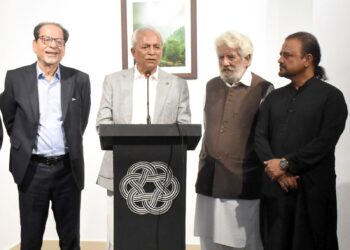
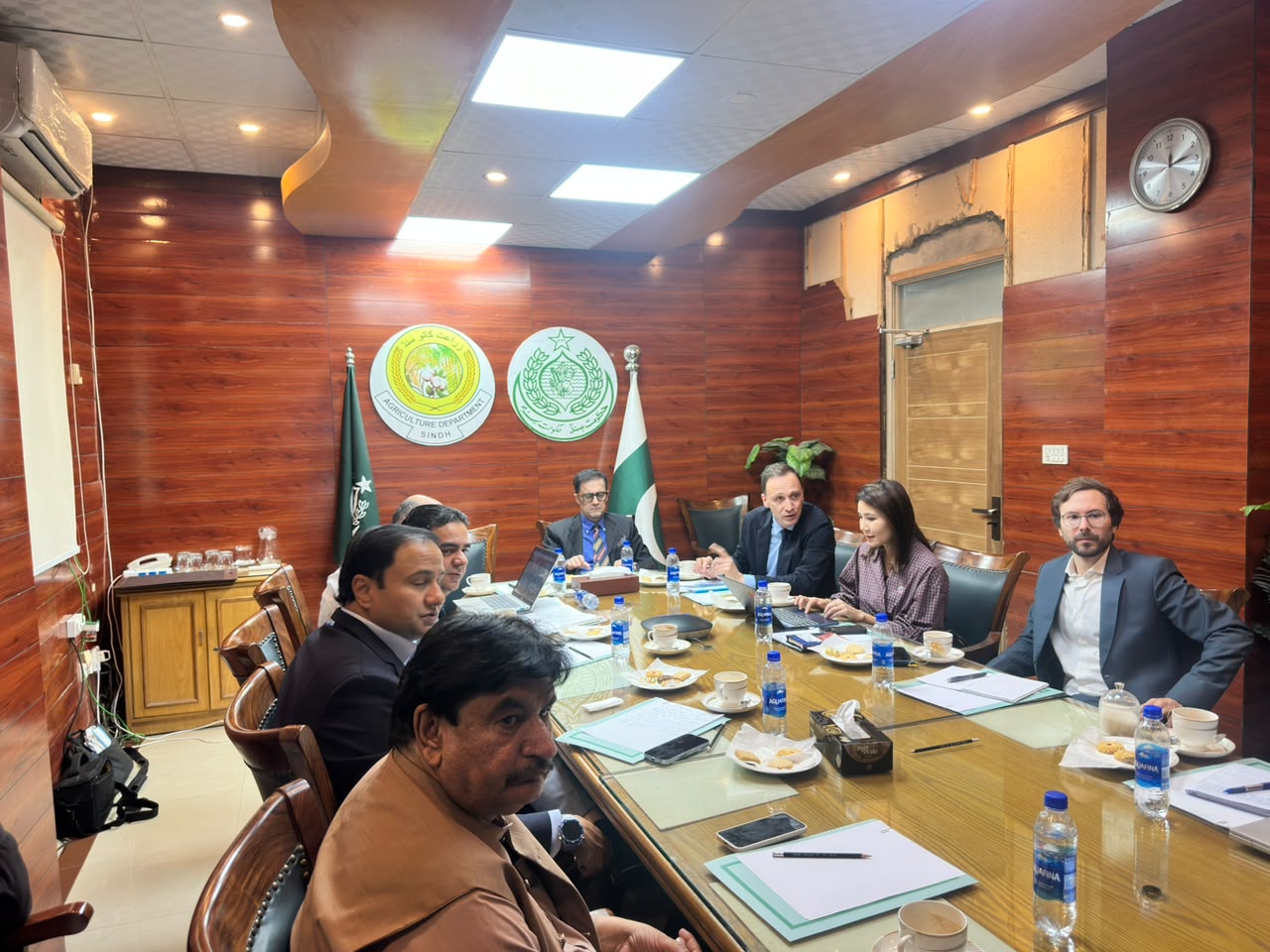
The Project Steering Committee (PSC) of the Resilience and Adaptation by Fostering Anticipatory Action (RAFAA) project has reviewed progress and discussed upcoming plans to strengthen climate resilience in Sindh.
The second PSC meeting brought together government officials, development partners and technical experts to assess implementation and coordinate future activities. The Food and Agriculture Organization of the United Nations (FAO) and CESVI are implementing the project with funding from Italy’s Ministry of Foreign Affairs and International Cooperation through the Italian Agency for Development Cooperation (AICS).
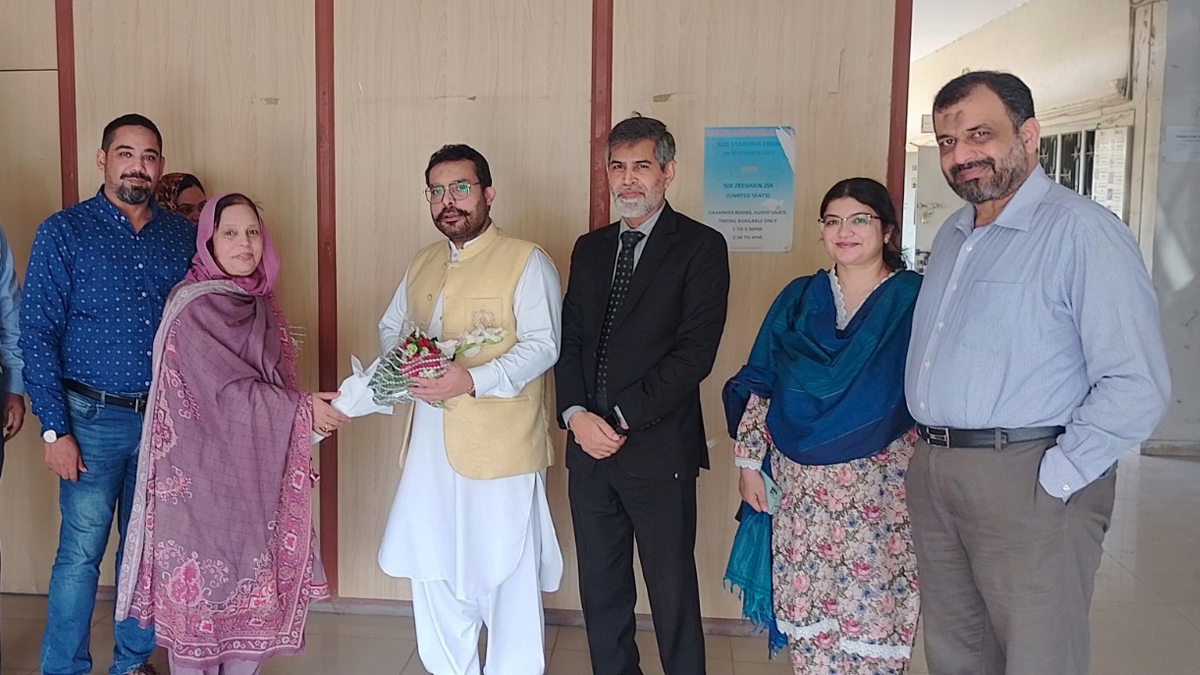
Muhammad Zaman Narejo, Secretary of the Agriculture, Prices and Supply Department, Government of Sindh, chaired the meeting. Fabrizio Bielli, Consul General of Italy in Karachi, co-chaired the session.
Participants included Qabool Muhammad Khatian, Chairman of the Sindh Irrigation and Drainage Authority (SIDA); Paolo Gallizioli, Head of AICS in Islamabad; Lorenzo Fellin, Environment and Climate Change Expert at AICS; Mazhar Keerio, Director General of Agriculture Research and Extension; representatives of the Economic Affairs Division (EAD); and officials from the district administrations of Umerkot and Mirpurkhas.
Pakistan Shaheens Face Bangladesh A in Asia Cup Rising Stars Semi-Final
Farhan Ahmed Khan, Country Director of CESVI, and Botagoz Nartayeva, RAFAA Project Manager, represented the implementing partners.
With a budget of €4 million and a 36-month implementation period from May 2025 to May 2028, RAFAA aims to improve the climate resilience and adaptive capacity of vulnerable rural communities in Umerkot and Mirpurkhas. The project is expected to reach 175,000 direct beneficiaries and approximately 1.5 million indirect beneficiaries.
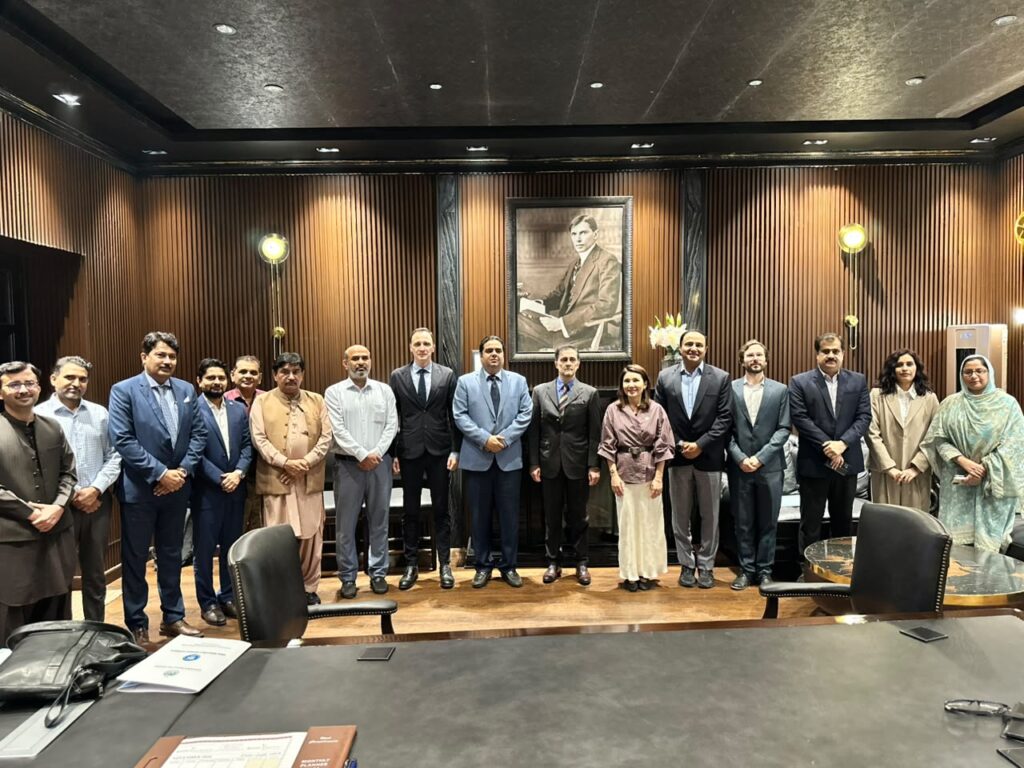
During the meeting, Nartayeva presented progress in the project’s target districts. Key achievements included completing the Multi-Hazard Vulnerability and Risk Capacity Assessment (MHVRCRA) for households, launching crop insurance pilot initiatives, introducing water quality monitoring and supporting kitchen gardening ahead of the upcoming cropping season.
The committee stressed the need for stakeholders to share data and coordinate activities to avoid duplication. SIDA offered to provide water quality data for irrigation to support agricultural cultivation and improve outcomes for local communities.
The EAD representative welcomed the project’s progress but emphasised the importance of aligning activities with national priorities, ensuring timely implementation and developing a sustainable exit strategy to maintain results beyond the project’s completion.
Participants also proposed developing a dashboard to give steering committee members easy access to project updates, financial information and implementation plans.
Addressing the meeting, Italian Consul General Fabrizio Bielli reaffirmed Italy’s commitment to supporting Pakistan in disaster response and climate risk management.
He stressed that building resilience required cooperation among government institutions, technical organisations and development partners, rather than relying on the efforts of a single institution.
Bielli thanked FAO, CESVI and the Sindh Agriculture, Prices and Supply Department for their commitment. He expressed hope that RAFAA would deliver practical benefits for communities across Sindh while strengthening long-term climate resilience.
Three Key Areas of Focus
Aligned with national policies, the RAFAA project focuses on three main areas:
- Strengthening the capacity of local institutions and communities to anticipate and respond to climate change.
- Improving livelihood resilience through climate-smart agriculture and inclusive crop insurance.
- Building institutional capacity at national, provincial and local levels to support better decision-making and anticipatory action.
The project also aims to strengthen the resilience of 30 rural communities, known as Dehs, across Mirpurkhas and Umerkot against climate-related shocks. It will promote sustainable agricultural practices and improve coordination and governance among relevant stakeholders.