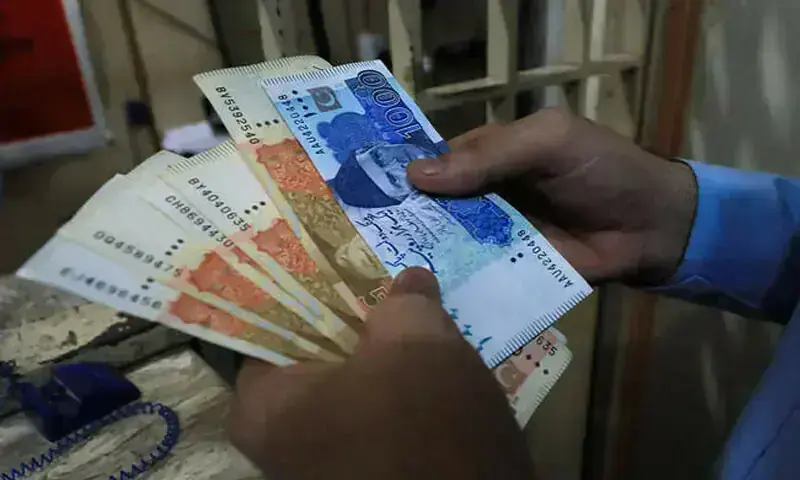
The federal government has decided to reverse the functional integration of sales tax and income tax collection after 17 years, acknowledging that the sales tax revenue gap has widened to Rs3.4 trillion amid weak enforcement and poor revenue collection.
The decision marks a major change in tax administration, with the Federal Board of Revenue (FBR) planning to assign specialised officers to sales tax and income tax functions within the Inland Revenue Service (IRS).
Senior tax officials told Dawn on Saturday that the restructuring would separate operational responsibilities, including tax collection and legal matters, to address weaknesses that have contributed to the widening revenue gap.
At the chief commissioner level, the administrative structure for both taxes will remain unchanged for now. However, functional separation will begin at the commissioner level and extend to subordinate officers, with dedicated teams handling sales tax matters.
Dedicated sales tax member to oversee enforcement
A new member for sales tax and federal excise duty will report directly to the FBR chairman. Supported by three chiefs and their respective teams, the member will oversee data analysis, enforcement operations and follow-up on selected cases.
Netanyahu Renews Unity Government Offer as Eisenkot Rejects Political Overtures
Separate sales tax zones will be established within each chief commissioner’s jurisdiction. These zones will be headed by commissioners and supported by additional commissioners, deputy commissioners and assistant commissioners.
The restructuring will begin at Large Taxpayer Offices (LTOs) on December 1, followed by Corporate Tax Offices (CTOs) and Regional Tax Offices (RTOs). The transition is expected to be completed within two months.
Chief commissioners and the Member IRS (Operations) will retain administrative and operational control, while the new member will provide technical oversight and coordinate enforcement activities.
Both taxes will continue to operate under the IRS rather than being transferred to separate services.
Specialised tests to identify suitable officers
As part of the restructuring, the FBR has started conducting specialised assessments to identify officers with the required expertise in sales tax and income tax administration.
“We have already launched an exercise to identify competent officers,” an official said, explaining that the assessment would help match officers with responsibilities suited to their professional capabilities.
The move follows concerns that the integrated structure weakened accountability by allowing officers to meet combined revenue targets through income tax collections while giving less attention to sales tax enforcement.
Sales tax accounts for most of the revenue gap
Internal FBR estimates indicate that sales tax accounts for nearly 55 per cent of the combined Rs6.2 trillion revenue gap. Around 90 per cent of sales tax collections come from only 15,000 taxpayers.
Official figures showed that approximately 313,000 people were registered for sales tax in early 2024, but only 190,000 filed returns. Many of those returns declared no taxable transactions.
By comparison, around six million taxpayers were active income tax return filers.
A recent proficiency test in Karachi also highlighted the imbalance, with officers demonstrating stronger practical knowledge of income tax matters than sales tax administration, reflecting their greater exposure to income tax work.
Targeted monitoring shows potential for higher collections
The FBR’s experience with production monitoring has demonstrated the potential benefits of specialised enforcement.
In 12 manufacturing sectors where monitoring systems were introduced, the revenue gap declined by 12 percentage points of potential collections over two years. In contrast, the gap increased by nine percentage points in seven sectors without such systems.
Under the new arrangement, specialised officers will examine data and pursue cases involving underreported sales, questionable input tax claims and other compliance failures.
Why the government is reversing the 2009 integration
In 2009, the government transferred the administration of sales tax and federal excise from Customs to the IRS under a World Bank-supported project.
The integration was based on the argument that sales tax and income tax were closely connected. Information uncovered during a sales tax investigation could also lead to an income tax demand, making coordination between officers important.
However, after 17 years, official estimates showed substantial revenue gaps in both taxes, with the sales tax gap reaching Rs3.4 trillion and the income tax gap standing at Rs2 trillion.
Officials also said the original justification for keeping both functions integrated had weakened following the introduction of a common digital system operated by Pakistan Revenue Automation Ltd.
The government now expects specialised responsibilities and closer monitoring to improve tax compliance, enforcement and revenue collection.