Hypertension is estimated to affect 42% of Pakistani adults, cardiologists said during health screening activities held across the country for World Heart Day.
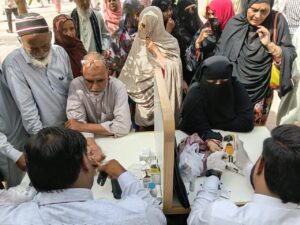
More than 10,000 adults received blood pressure checks at over 50 free health camps in 19 cities. Health experts urged people to monitor their blood pressure regularly and seek medical care when readings remain elevated.
The World Health Organization’s latest Pakistan hypertension profile puts age-standardised hypertension prevalence among adults aged 30–79 at 43.2%, based on 2019 estimates.
Regular Checks Can Detect High Blood Pressure
Cardiologists said hypertension often develops without obvious symptoms. Untreated high blood pressure can damage blood vessels and vital organs over time.
New APTMA Chairman Targets $10 Billion Increase in Textile Exports
The condition can affect the heart, brain and kidneys. WHO also identifies hypertension as a major risk factor for heart disease and stroke.
Doctors stressed that one elevated blood pressure reading does not confirm hypertension. A diagnosis requires repeat measurements and clinical assessment.
They recommended regular screening at community and primary-care facilities.
“High blood pressure and cholesterol can be detected before they cause a heart attack or stroke,” cardiologists said. They urged people to continue treatment when prescribed.
Experts Highlight Preventable Risk Factors
Health experts identified several major risk factors behind Pakistan’s cardiovascular disease burden.
These include hypertension, high cholesterol, diabetes, obesity, tobacco use, unhealthy diets and physical inactivity.
NICVD Associate Professor of Electrophysiology Dr Ghazala Irfan urged people to adopt healthier lifestyles and monitor cardiovascular risk factors.
“Your heart beats about 100,000 times a day,” she said. “Eat smart, move more, check your numbers, and manage stress.”
Director of the PIMS Cardiac Centre Dr Fazal Aziz Mian also stressed prevention and timely medical care.
“Your heart is at the center of your life,” he said. “Take care of it, protect it, and encourage others to do the same.”
PIMS consultant cardiologist and Associate Professor of Cardiology Dr Syed Nasir Ali Shah called for greater public awareness and more physical activity.
Screening Camps Held in 19 Cities
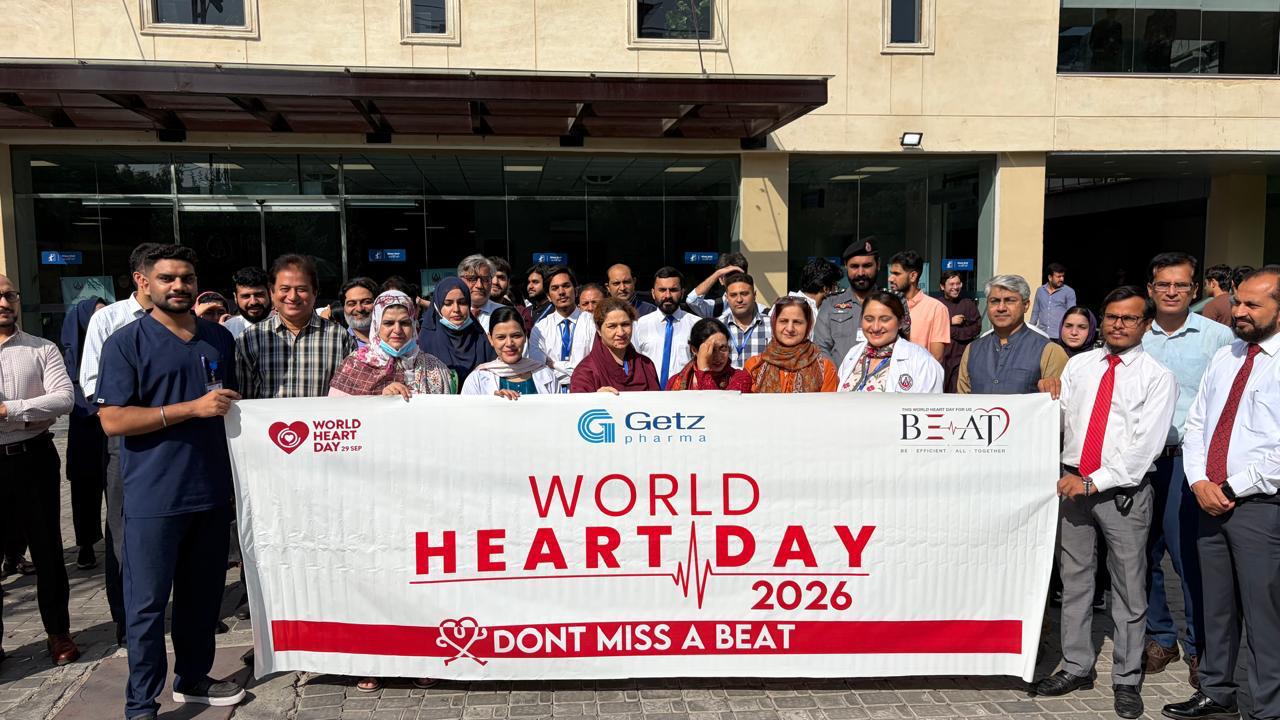
Getz Pharma organised more than 50 free health screening camps in 19 cities for World Heart Day.
The camps offered blood pressure screening to more than 10,000 adults. Participants also had access to cholesterol checks.
People with elevated readings were advised to seek medical evaluation and follow-up care.
The camps were held in Karachi, Lahore, Multan, Rawalpindi, Peshawar, Faisalabad, Gujranwala, Sukkur, Rahim Yar Khan, Abbottabad, Sialkot, Bahawalpur, Dera Ghazi Khan, Sahiwal, Dera Ismail Khan, Swat, Quetta, Hyderabad and Nawabshah.
Participating institutions included the National Institute of Cardiovascular Diseases in Karachi, Jinnah Hospital and Shalimar Hospital in Lahore, Faisalabad Institute of Cardiology, Nishtar Hospital Multan and Sheikh Zayed Hospital Rahim Yar Khan.
Ayub Medical Complex Abbottabad, Fauji Foundation Hospital Rawalpindi, Khyber Teaching Hospital, Hayatabad Medical Complex and DHQ Hospital Gujranwala also took part.
Awareness Activities Promote Prevention
Awareness walks and educational sessions were held at several participating hospitals.
These included Mayo Hospital Lahore, Sheikh Zayed Hospital Rahim Yar Khan, Faisalabad Institute of Cardiology and Kazi Hussain Ahmed Hospital Nowshera.
Other activities took place at Fauji Foundation Hospital Rawalpindi, DHQ Hospital Gujrat and Fatima Memorial Hospital Lahore.
Participants were encouraged to reduce salt intake and avoid tobacco. They were also advised to improve their diets and remain physically active.
Doctors recommended regular checks of blood pressure, blood sugar and cholesterol.
PREACH Initiative Targets Primary Care
Getz Pharma has also launched the PREACH initiative, which stands for Prevention, Management, and Control of Hypertension.
The initiative aims to promote national hypertension guidelines at the primary healthcare level. It is also building the capacity of more than 450 general practitioners to detect and manage high blood pressure.
Getz Pharma is conducting the PAK-SEHAT study, or Pakistan Study of Premature Coronary Atherosclerosis in Young Adults, with leading cardiologists.
The study aims to generate local evidence on cardiovascular risk. It also seeks to identify people at risk before they develop heart disease.
WHO has similarly highlighted the need to expand hypertension detection, treatment and control through primary healthcare services.
Health experts said screening campaigns should be supported by accessible primary-care services. They also stressed the need for affordable medicines and regular follow-up.