Oil prices rose on Tuesday as renewed fighting between the United States and Iran increased fears of supply disruptions in the Middle East.
Brent crude futures gained 56 cents, or 0.6%, to $91.05 a barrel by 0044 GMT.
US West Texas Intermediate (WTI) crude rose 83 cents, or 1%, to $86.59 a barrel.
Both benchmarks posted strong gains in the previous session. Brent closed 2.7% higher after reaching its highest level since August 25.
WTI gained 2.8% and briefly touched its highest level since August 21.
Trump threatens further strikes
US President Donald Trump threatened further attacks on Iran on Monday.
The warning followed the first direct exchange of attacks between the two countries in a month.
The latest escalation has renewed concerns about energy infrastructure and shipping routes across the Gulf.
Yen Holds Near 160 as US Pressure Builds on Bank of Japan
“These bring the potential for Iranian retaliation back into the equation,” said Tim Waterer, chief market analyst at KCM.
He said further attacks could threaten energy facilities around the Gulf. They could also create fresh uncertainty for vessels using the Strait of Hormuz.
Strait of Hormuz faces renewed pressure
The Strait of Hormuz remains central to concerns about global oil supplies.
Shipping data from Kpler showed only five visible commodity vessels crossing the strait each day over the weekend.
Mediators including Qatar and Oman have tried to negotiate an agreement to reopen the waterway.
Their efforts have so far failed to make significant progress.
The strait carried about one-fifth of global oil supplies before the conflict began in late February.
Iran closed the waterway after US and Israeli attacks on February 28.
Tanker reportedly hit near strait
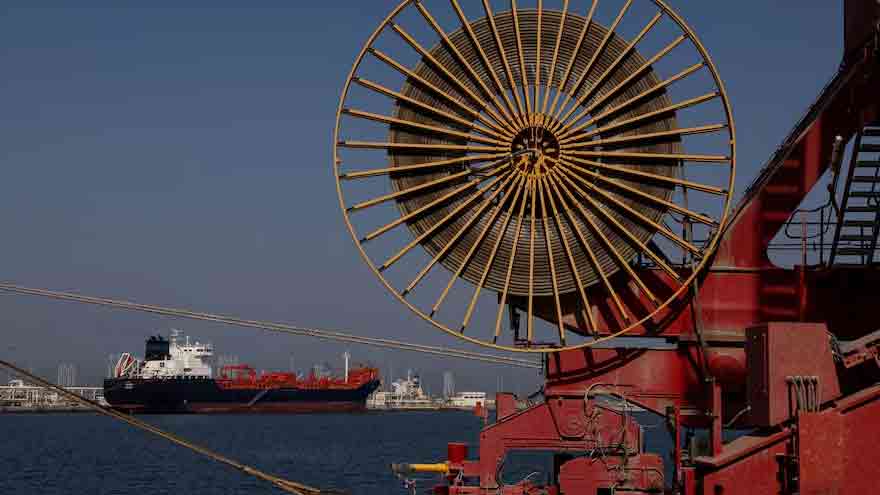
The risks to shipping remain high.
The United Kingdom Maritime Trade Operations agency said a tanker reported being struck by three projectiles while leaving the Strait of Hormuz on Tuesday.
The incident caused no reported casualties or environmental damage.
However, the report highlighted the risks facing vessels operating near one of the world’s most important energy routes.
Venezuela deal could boost US oil reserves
The United States is also looking at other ways to strengthen its oil supplies.
Trump announced a deal with Venezuela on Friday to gain greater control over its oil reserves.
He later said the arrangement would help replenish the US Strategic Petroleum Reserve.
The reserve currently stands near a 44-year low.
Several international energy companies are also preparing agreements linked to Venezuelan projects.
Chevron, GE Vernova, India’s ONGC, Italy’s Eni and Colombia’s GeoPark are expected to sign final agreements, according to five sources familiar with the preparations.
US oil reserves fall further
US crude inventories in the Strategic Petroleum Reserve fell by around 3.1 million barrels last week.
Stockpiles now stand at about 286.6 million barrels.
The decline comes as markets remain sensitive to disruptions in global oil supplies.
Reuters-polled analysts in August expect oil prices to stay above $80 a barrel in 2026.
They cited continued shipping disruptions as a key factor supporting prices.