TEHRAN/WASHINGTON: Rising tensions between the United States and Iran have placed a fragile ceasefire under increasing pressure, as both sides exchanged military actions across the region while diplomatic efforts to secure a broader peace agreement appeared to stall.
According to sources familiar with the matter, the United States is considering the use of Iranian assets to help fund reconstruction and repair efforts in Gulf countries affected by recent attacks attributed to Iran. The proposal reportedly follows a directive by US Treasury Secretary Scott Bessent to assess damage caused to regional allies and examine possible funding mechanisms for recovery efforts.
The development comes amid ongoing negotiations aimed at ending months of conflict between Washington and Tehran. Iranian officials have continued to call for the release of billions of dollars in Iranian assets frozen by the United States as part of any future settlement.
Military Activity Continues Despite Ceasefire Efforts
Regional tensions intensified over the weekend as US forces reportedly carried out strikes on Iranian coastal radar installations near the Strait of Hormuz after intercepting drones that American officials said posed a threat to maritime traffic.
The US military also reported shooting down additional Iranian drones near key shipping routes in the strategic waterway.
Iran’s Revolutionary Guard said it responded by targeting US military installations in Kuwait and Bahrain. Kuwaiti authorities stated that several ballistic missiles passed over residential areas, causing material damage but no casualties. In Bahrain, emergency sirens were activated and residents were advised to seek shelter.
Both Gulf states condemned the attacks and reaffirmed their commitment to regional security.
Iran Signals Unity on Negotiations
Iranian Vice President Mohammad Reza Aref said senior officials remain fully aligned on the country’s negotiating strategy and dismissed reports of internal disagreements.
Speaking during an official visit to the country’s customs administration, Aref said all government institutions were pursuing a coordinated approach in diplomatic discussions. He also highlighted Iran’s experience in managing wartime conditions and emphasized the importance of strengthening trade infrastructure and regional economic connectivity.
Iranian officials have continued to advocate closer ties with neighboring countries and accelerated development of major transportation corridors linking regional markets.
Pakistan Continues Diplomatic Engagement
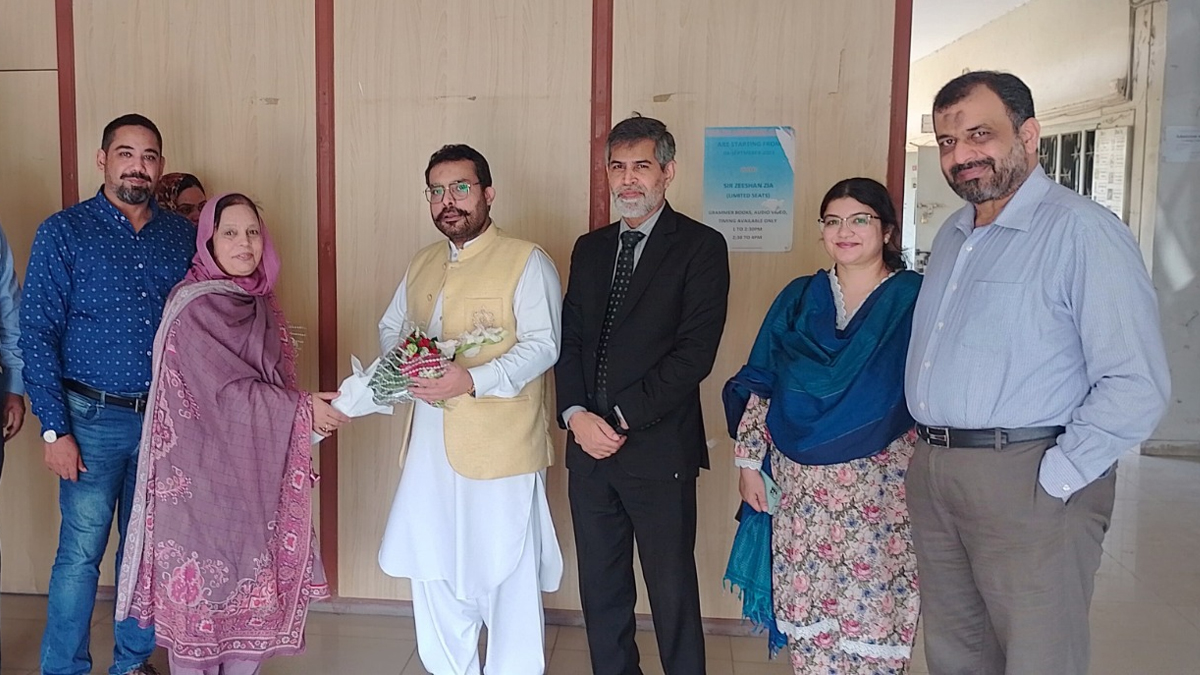
In a parallel diplomatic effort, Pakistani Interior Minister Mohsin Naqvi arrived in Tehran carrying a special message from Pakistan’s leadership for Iran’s Supreme Leader, according to Iranian media reports.
The visit reflects ongoing mediation efforts as regional stakeholders seek avenues to reduce tensions and support dialogue between the conflicting parties.
Israel-Lebanon Front Remains Active
Meanwhile, security concerns persisted along Israel’s northern border.
The Israeli military said it intercepted two projectiles launched from Lebanon after warning sirens sounded in northern communities. Israeli authorities also reported that four reserve soldiers were injured in a drone attack in southern Lebanon.
Hostilities between Israel and Hezbollah have continued despite international calls for restraint. Hezbollah has maintained its position that any ceasefire arrangement must be accompanied by an end to Israeli military operations and a withdrawal from southern Lebanon.
The Israeli military is also investigating an incident in which Lebanese military personnel were reportedly killed in a strike on a military vehicle in southern Lebanon.
Palestinian Authority Condemns Missile Attacks
The Palestinian Foreign Ministry condemned Iran’s missile attacks on Bahrain and Kuwait, describing them as a threat to regional security and stability.
In a statement, the ministry expressed solidarity with both Gulf states and supported measures aimed at protecting their sovereignty and territorial integrity.
Oil Markets Face Growing Uncertainty
The ongoing conflict has added uncertainty to global energy markets as ministers from the OPEC+ alliance met to review production policy.
Analysts said the disruption of Gulf shipping routes and concerns over energy supplies have contributed to higher oil prices. Although producers are considering increasing output quotas, market observers believe geopolitical risks remain the primary factor influencing prices.
The Strait of Hormuz remains a critical route for global energy exports, and any prolonged disruption could have significant implications for international oil markets and supply chains.
Peace Efforts Face Challenges
Despite continued diplomatic contacts, negotiations between the United States and Iran have yet to produce a breakthrough agreement.
Key issues under discussion reportedly include access to Iranian oil revenues, sanctions relief, maritime security, and broader regional stability. However, recurring military exchanges and competing political demands continue to complicate efforts to reach a lasting settlement.
With tensions persisting across multiple fronts, regional and international actors are closely monitoring developments amid concerns that further escalation could undermine ongoing diplomatic initiatives.