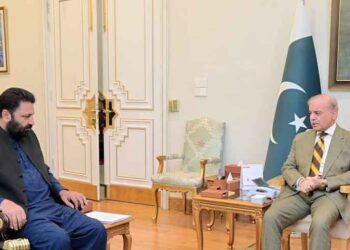
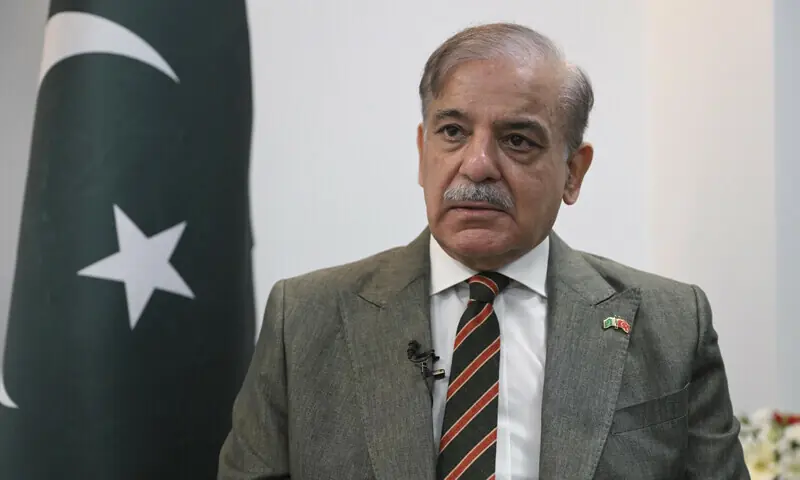
ISLAMABAD: Prime Minister Shehbaz Sharif has approved revised business closing timings across Pakistan with immediate effect, according to an official notification issued by the Cabinet Division.
The government said it adjusted the schedule due to longer daylight hours and rising summer temperatures. Deputy Prime Minister and Foreign Minister Ishaq Dar shared the notification on social media platform X.
New closing hours for businesses
Under the revised plan, markets, shopping malls, bazaars, departmental stores, grocery shops, general stores and kiryana shops will close at 9pm throughout the week.
Marriage halls, marquees and other event venues will close at 10pm. Meanwhile, restaurants, cafes, eateries, food outlets, and standalone fruit and vegetable shops will remain open until 11pm. Takeaway and home delivery services will continue without time restrictions.
Essential services exempt
In addition, the government exempted several essential sectors from the new timing rules. These include pharmacies, hospitals, clinics, laboratories, bakeries, tandoors, milk shops, fuel stations, electric vehicle charging stations, gyms, sports facilities, IT companies and call centres.
As a result, these services will continue normal operations without restriction.
Link to austerity measures
The decision follows a meeting of the Committee for Monitoring and Implementation of Austerity Measures, chaired by Ishaq Dar. The committee had recently extended retail closing hours to 9pm, citing improved daylight conditions and high summer temperatures.
Earlier, the government introduced austerity measures on March 9 amid an energy crisis linked to global disruptions. Authorities said the crisis intensified after concerns over the Strait of Hormuz situation.
Ongoing cost-saving policy
The government has also extended its austerity drive until June 13. Moreover, the measures include a 50 percent cut in fuel allowances for official vehicles, except emergency services such as ambulances and public transport.
Furthermore, authorities have grounded 60 percent of official government vehicles. They have also imposed a ban on foreign visits by ministers and officials, except for essential state matters.