
By Shabana Ayaz (Ankara)
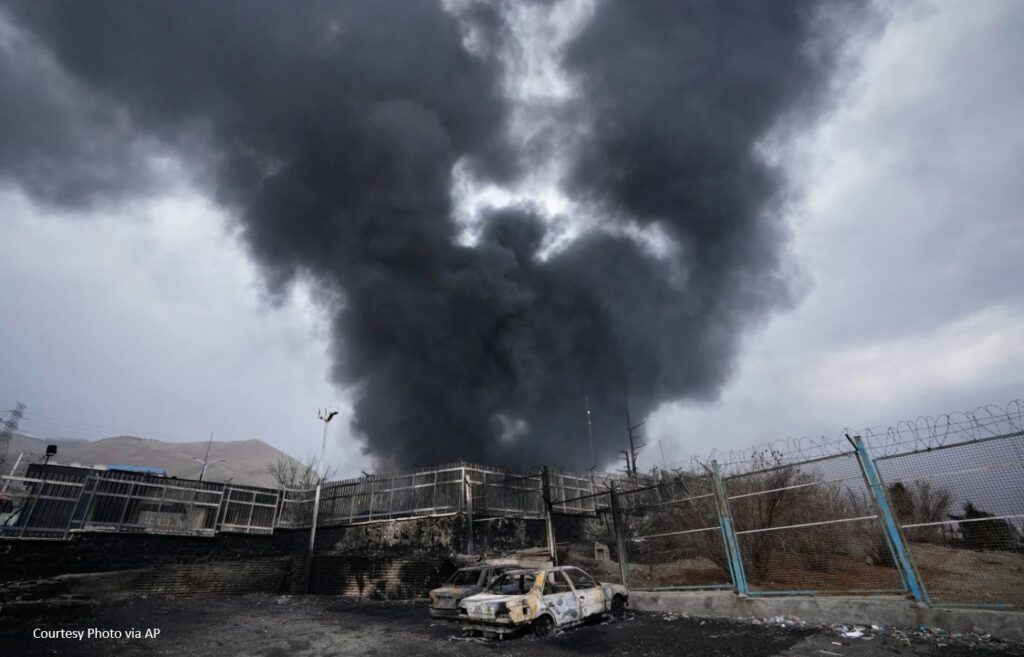
The Middle East is grappling with an unprecedented crisis following joint military strikes by the United States and Israel on Iran in February 2026. Initially perceived as limited operations, the campaign has now escalated into a major geopolitical flashpoint with potential global ramifications.
Supreme Leader Assassinated, Iran Retaliates
The conflict intensified after the assassination of Iran’s Supreme Leader, Ayatollah Ali Khamenei, during the U.S.-Israeli operations. Iran responded swiftly, targeting U.S. military installations and strategic infrastructure across the region. The escalation has triggered surging oil prices and mounting concerns among international diplomatic circles about the potential for broader conflict.
The U.S.–Israeli campaign, dubbed “Operation Epic Fury”, aims to curb Iran’s nuclear ambitions and missile capabilities. While Washington frames the operation as a measure to protect regional stability, analysts note that Israel remains the primary focus of the strikes.
Strategic Targets and Regime Change
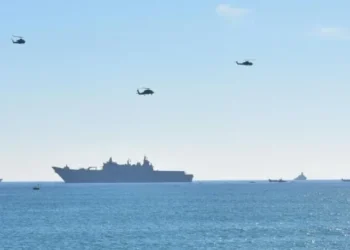
Iran’s naval forces, missile bases, and other strategic installations were hit. Former U.S. President Donald Trump publicly suggested that Iranians should self-govern post-conflict, signaling support for regime change. The deaths of Khamenei and over fifty senior military and government officials have disrupted Iran’s political structure, fueling speculation that regime change is a central objective of the campaign.
Regional Security and Proxy Conflicts
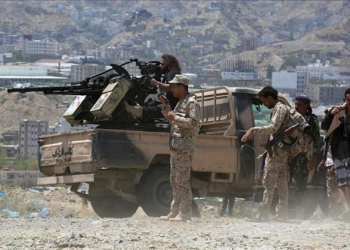
Iran’s support for groups such as Hezbollah in Lebanon and the Houthis in Yemen has long been a point of contention. The U.S. and Israel argue that these groups destabilize the region and threaten Israeli security, justifying military action against Iran’s infrastructure.
Oil Market Shock and Global Economic Impact
Iran’s energy sector has suffered significant damage. Key refineries and oil depots, including Shahran and Aghdashi, were targeted, prompting Iran to close the Strait of Hormuz, through which roughly 20% of global oil shipments pass. Brent crude surged to $84 per barrel, raising fears of a new energy crisis.
China, heavily reliant on Iranian oil, faces potential energy security challenges. Analysts have suggested that disruption of Iranian oil supplies aligns with broader U.S. strategies to benefit Western energy firms.
Environmental and Civilian Impact
Israeli strikes on refineries on March 8–9 released toxic clouds over Tehran, resulting in an oily, chemical-laden rain. The Iranian Red Crescent warned that the precipitation contains hydrocarbons, sulfur, and nitrogen oxides, posing health risks including chemical burns and respiratory problems.
U.S. officials expressed concern that attacks on civilian infrastructure could rally public support for Iran’s government, prolong the conflict, and destabilize global markets.
Regional Perspectives and International Mediation
Gulf states, including Saudi Arabia, voiced unease about the conflict, emphasizing that the war primarily serves Israeli interests. Iran’s counterstrikes reinforced the perception that U.S. policy is fueling regional instability.
Global powers, including Russia, have warned against increasing pressure on Iran. Meanwhile, countries like Qatar, China, Egypt, Pakistan, and Oman have engaged in diplomatic efforts to mediate a ceasefire and de-escalate tensions.
Public Opinion and Global Risk
Public opinion in the U.S. is divided, with 56% opposing the military campaign. In Israel, support is declining amid concerns over a prolonged conflict. Analysts warn that the potential use of nuclear weapons, though unlikely, cannot be ruled out.
History demonstrates that conflicts can escalate rapidly from limited strikes to full-scale wars. Experts stress that diplomacy is the only viable path to prevent a regional dispute from spiraling into a global crisis.