Pakistan’s trade and industry require a facilitative environment, long-term planning
and consistent government support
Business Reporter
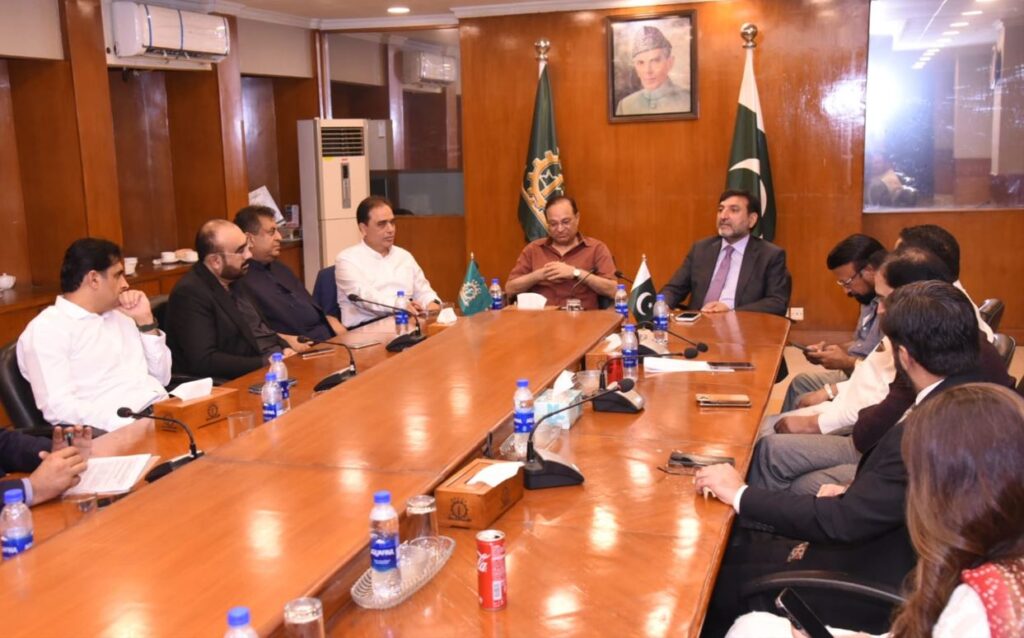
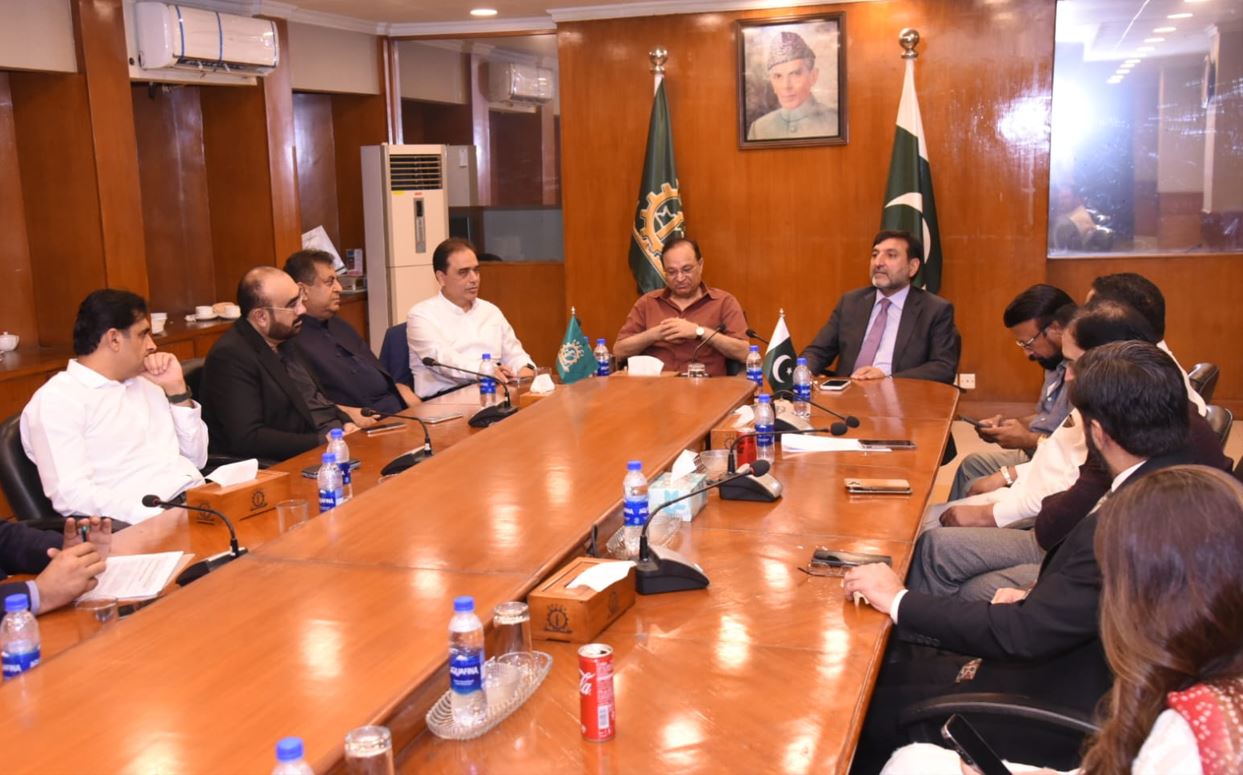
Karachi: Atif Ikram Sheikh, President of the Federation of Pakistan Chambers of Commerce & Industry (FPCCI), President of ECO-CCI, and Vice President of CACCI, has stressed the urgent need for a long-term, consistent, and business-friendly trade policy to boost exports in both traditional and emerging sectors. He was addressing the opening session of FPCCI’s Export Advancement Conference held in Karachi.
Trade and Industry Demand Policy Stability
Mr. Sheikh highlighted that the enthusiastic participation from various sectors at the conference demonstrated a strong desire across industries to expand into export markets. However, he emphasized that businesses need a reliable and incentivizing policy framework to thrive globally.
“Pakistan’s trade and industry are ready to compete internationally, but they require a facilitative environment, long-term planning, and consistent government support,” he said.
TDAP Chief Assures Support for Export Sectors
Mr. Faiz Ahmad Chadhar, Chief Executive of the Trade Development Authority of Pakistan (TDAP), attended the conference as the Chief Guest. He reaffirmed TDAP’s commitment to ongoing stakeholder consultations and sector-specific research and planning to support trade development.
“TDAP is engaging in continuous dialogue with industry stakeholders and undertaking detailed planning to support Pakistan’s export ambitions,” he noted.
FPCCI Presents Export Policy Demands
At the conclusion of the conference, Mr. Saquib Fayyaz Magoon, Senior Vice President FPCCI, presented a resolution outlining key demands from the trade and industrial community:
- 20-Year Export & Industrial Policy to ensure stability and long-term planning.
- Enhanced Role for Trade & Investment Officers (TIOs) to make them more result-oriented in promoting exports.
- Restoration of Fixed Tax Regime (FTR) for exporters; with either a fixed 1.25% withholding tax (WHT) or a 1.5% WHT with removal of 0.25% Export Development Surcharge (EDS).
- Export Facilitation Scheme (EFS) to be extended to local manufacturers; and immediate abolition of the 18% tax on local supplies.
- New Free Trade Agreements (FTAs) to be signed with untapped markets to unlock export opportunities.
- Establishment of Banking Channels in Africa to facilitate trade.
- Support for Women Entrepreneurs through TDAP to promote MSMEs and inclusivity.
- Promotion of High-Potential Sectors like Mines & Minerals, Information Technology (IT), and Processed Foods to significantly boost export volumes.