
Karachi: Alarmingly high levels of obesity, low-density lipoprotein (LDL or “bad” cholesterol), and low levels of protective high-density lipoprotein (HDL or “good” cholesterol) are the leading causes of premature coronary atherosclerosis — early plaque formation in the arteries of young Pakistani men and women — driving a surge in heart attacks among the country’s youth.
These are the preliminary findings from the PAK-SEHAT study, Pakistan’s first-of-its-kind longitudinal cohort research led by renowned interventional cardiologist and Managing Director of a leading heart institute in Karachi, Prof. Bashir Hanif.
Dubbed as a “Mini Framingham Heart Study” for Pakistan, the 10-year project is being conducted by the Getz Pharma with nearly Rs1.4 billion (USD 5 million) in funding. It aims to determine why heart attacks are now occurring in Pakistanis as young as their 30s and 40s — decades earlier than in the West, where such events are typically seen in the 60s and beyond.
The PAK-SEHAT (Pakistan Study of premature coronary at Herosclerosis in young Adults) cohort includes over 2,000 asymptomatic adults from all provinces and regions of Pakistan — men aged 35 to 60 and women aged 35 to 65. Participants are undergoing detailed medical evaluations to uncover risk factors linked to early-onset cardiovascular disease, including lifestyle, genetic predisposition, and environmental influences.
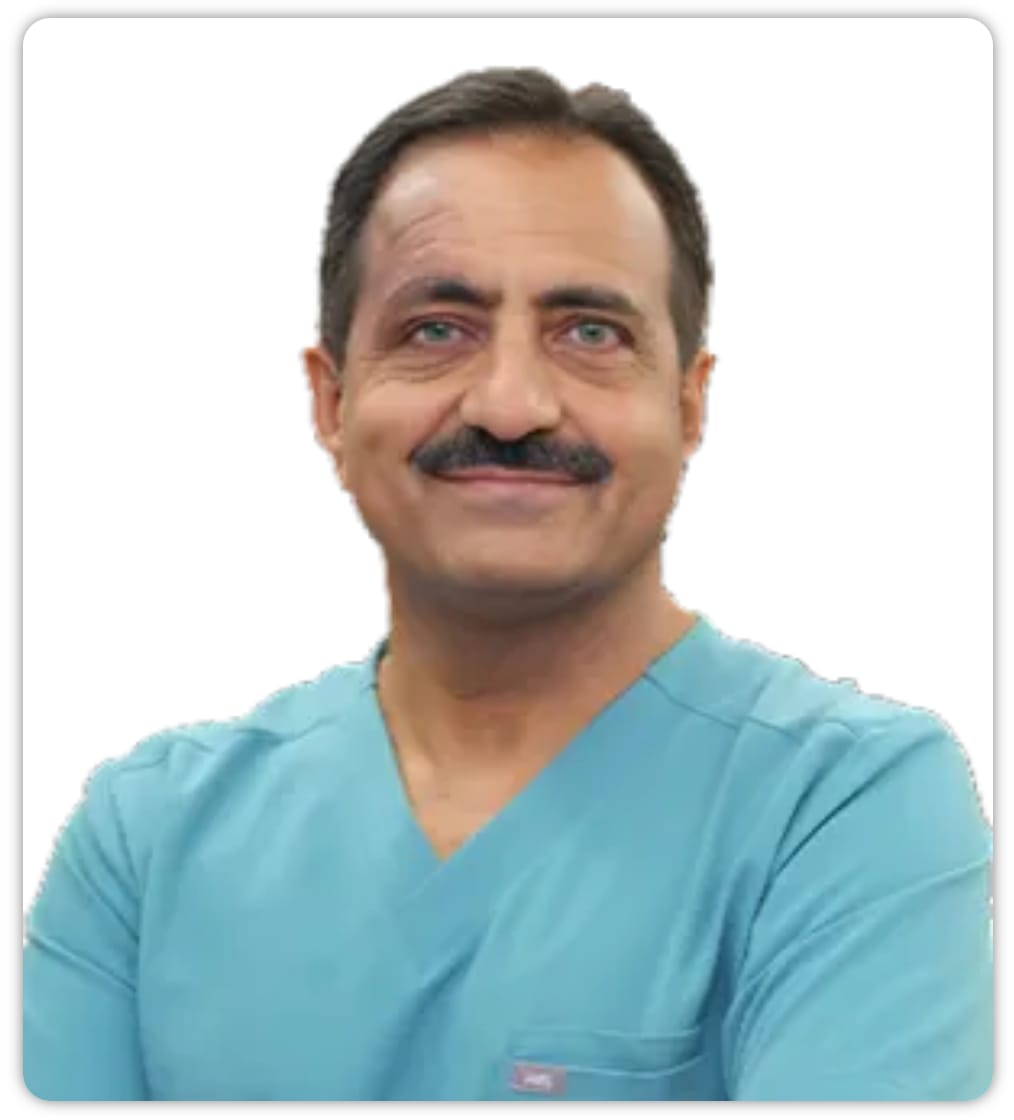
Presenting the initial findings at the Pakistan Society of Internal Medicine (PSIM) Conference in Karachi, Prof. Bashir Hanif described the results as deeply troubling.
He reported that 70 percent of participants are obese, with the rate rising to 80 percent among women. More than 70 percent have elevated LDL cholesterol, while half have alarmingly low levels of HDL. He warned that these risk levels are unprecedented in such a young population and signal a looming public health disaster.
“We are now seeing heart attacks in people in their late 30s and 40s — even as young as 19 or 20,” Prof. Hanif said. “This isn’t happening anywhere else in the world. It’s a uniquely Pakistani crisis.”
Dr. Bashir maintained that many participants were unaware of their health risks, with 42 percent found to have undiagnosed hypertension and 23 percent undiagnosed diabetes.
The study goes beyond traditional risk factors like smoking and poor diet. Prof. Hanif explained that researchers are examining environmental and demographic contributors, including air and water quality, pollution levels, and regional dietary habits. The study also includes coronary CT angiography (CCTA), blood profiling for inflammatory markers, and full genome sequencing to assess genetic vulnerabilities in South Asians.
Prof. Hanif stressed the need for developing a Pakistani-specific cardiovascular risk score, as current U.S. models are designed for older populations and fail to account for those under 40. “People here are dying well before that age. We need our own data and our own solutions,” he said.
Dr. Khurram Hussein, Managing Director of Getz Pharma, said the PAK-SEHAT study is part of the company’s transition toward a patient-centric model focused on health rights, informed care, and local research.
Speaking at the Connect Conclave held alongside the PSIM conference, Dr. Hussein said the study will transform how South Asian doctors approach diagnosis and treatment, moving away from reliance on Western protocols that don’t reflect the unique risks of the Pakistani population.
Former Punjab Health Minister and senior physician Prof. Javed Akram praised Getz Pharma’s investment in scientific research, noting that no significant progress in healthcare is possible without industry support.
He also acknowledged CEO Khalid Mehmood’s commitment to supporting clinical studies and professional medical societies, including the landmark PROTECT Study during the COVID-19 pandemic.
Dr. Wajiha Javed, Project Director and Co-Investigator of the study, said that Getz Pharma has pledged to invest in indigenous and locally conducted research for the betterment of patients, rather than spending resources on unnecessary travel and unproductive medical society events.